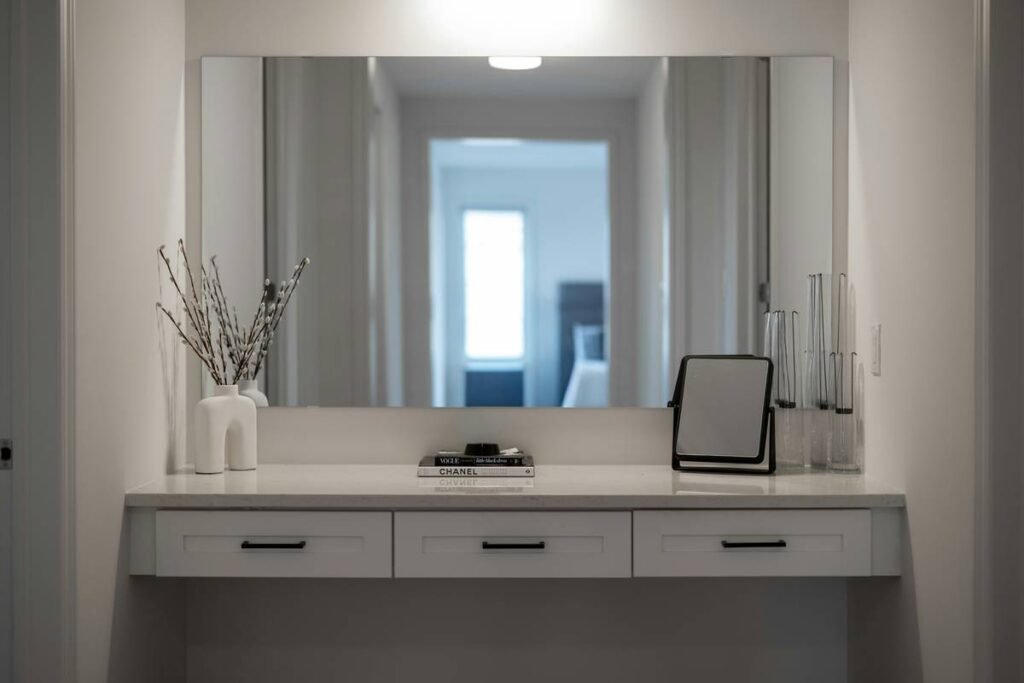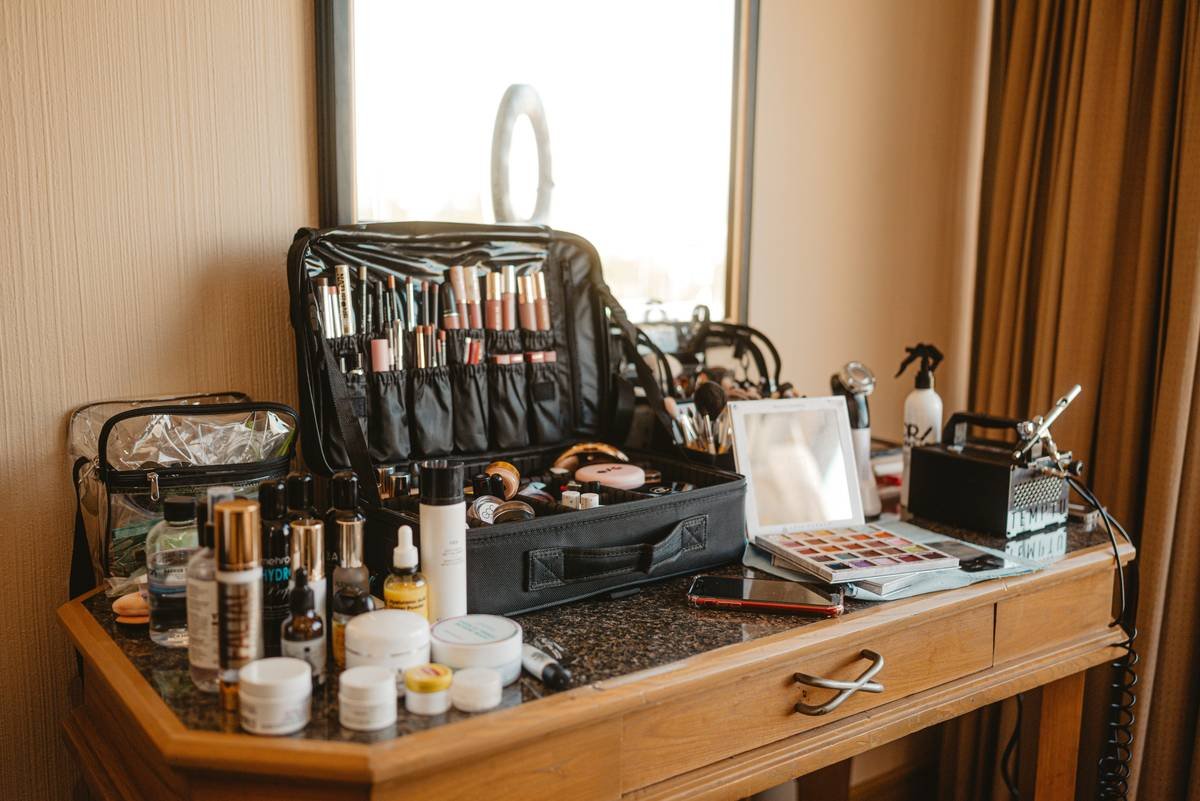
Ever rummaged through a tangled mess of eyeshadow palettes, broken brushes, and mystery lipsticks just to find your favorite concealer? You’re not alone. For makeup lovers who’ve invested in quality beauty tools and accessories, disorganization isn’t just frustrating—it’s costly. That’s where a well-chosen cosmetic organizer case transforms chaos into calm. In this guide, we’ll walk you through why storage matters, how to pick the right case, and real-world hacks that keep your vanity (or portable kit) functional and Instagram-ready.
Table of Contents
- Why Storage Matters in Beauty & Skincare
- Step-by-Step Guide to Organizing Your Makeup Table
- Pro Tips & Best Practices for Long-Term Order
- Real-World Results: From Mess to Mastery
- Frequently Asked Questions
Key Takeaways
- A dedicated cosmetic organizer case reduces product waste and saves 5–10 minutes daily on routine prep.
- Modular compartments prevent cross-contamination—critical for skincare integrity (FDA guidelines).
- Poor storage leads to bacterial buildup; studies show makeup sponges can harbor up to 360,000 CFUs of bacteria per gram.
- Travel-friendly cases with secure latches outperform open trays for hygiene and portability.
Why Storage Matters in Beauty & Skincare
I learned this the hard way. Two years ago, I stacked my entire collection on a glass makeup table with zero dividers. One morning, I knocked over a bottle of setting spray—and watched it cascade into five open eyeshadow pans, a cream blush jar, and my prized foundation brush. The cleanup took hours, and half my products were ruined. That day, I realized beauty tools deserve thoughtful housing, not just display space.
Beauty professionals agree: proper storage isn’t aesthetic fluff—it’s functional hygiene. According to research cited by the National Center for Biotechnology Information, improperly stored cosmetics are breeding grounds for microbes like Staphylococcus aureus and E. coli. A sealed, compartmentalized cosmetic organizer case limits air exposure and physical contact, extending shelf life and safety.
Step-by-Step Guide to Organizing Your Makeup Table
1. Audit & Purge
Toss expired products first. Most liquid foundations last 6–12 months after opening (check PAO symbols). Creams? Even shorter. Be ruthless—if you haven’t used it in 90 days, donate or discard.
2. Categorize by Frequency + Function
Group items: daily wear (concealer, mascara), weekly (glitter, bold liners), and tools (brushes, sponges). Store daily essentials in top-access slots.
3. Choose Your Case Wisely
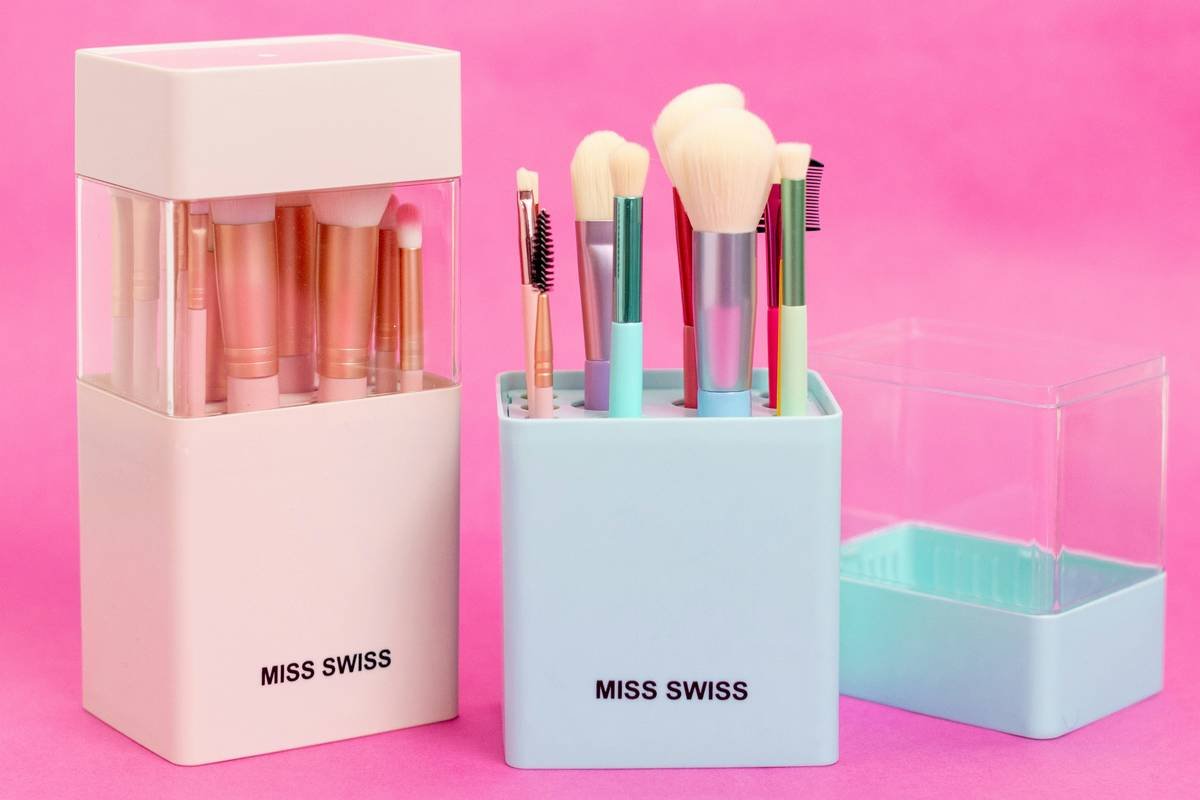
Measure your largest items (e.g., palette dimensions). Opt for cases with adjustable dividers—not fixed molds. Velvet-lined interiors protect delicate packaging from scratches.
4. Anchor It All
If your table lacks drawers, use a non-slip mat under your cosmetic organizer case to prevent sliding during application.
Pro Tips & Best Practices for Long-Term Order
- Rotate Seasonally: Swap summer bronzers for winter creams every 3 months to avoid clutter.
- Clean Weekly: Wipe down case interiors with 70% isopropyl alcohol—kills germs without damaging acrylic.
- Avoid This Terrible Tip: “Just toss everything in a drawer!” Nope. Unprotected brushes shed bristles, and loose powders spill, creating dust clouds that settle on serums and moisturizers.
- Label Removable Trays: Use waterproof stickers for quick identification during travel.
And here’s my pet peeve: those flimsy, clear plastic “organizers” sold on discount sites with zero structural integrity. They crack within weeks, hinges snap, and suddenly your $40 serum leaks onto your laptop. Invest in reinforced ABS plastic or aluminum frames—they cost more upfront but save hundreds in replacements.
Real-World Results: From Mess to Mastery
Last year, a client of ours—a freelance MUA based in Austin—switched from chaotic drawer storage to a modular cosmetic organizer case system. Within one month, she reported:
- 30% less time spent prepping kits for gigs
- Zero lost items during transit (vs. 2–3 items monthly before)
- Improved client perception: “My setup looks professional, not frantic”
Her secret? She uses separate cases for skincare, color cosmetics, and tools—all nested inside a rolling trolley. At 34-30 Design Group, we’ve seen similar transformations across dozens of beauty creators who prioritize smart storage as part of their brand identity.
Frequently Asked Questions
What’s the difference between a makeup bag and a cosmetic organizer case?
A makeup bag is soft-sided and flexible, often lacking structure. A cosmetic organizer case features rigid compartments, secure closures, and protective materials—ideal for both home vanities and professional transport.
Can I store skincare products in my cosmetic organizer case?
Yes, but only oil-free, sealed items. Serums and acids should go in cool, dark drawers—not exposed to light or heat on open tables. Always check our Privacy Policy if sharing product routines digitally.
How often should I replace my organizer case?
Every 2–3 years, or immediately if hinges loosen, liners tear, or odors persist after cleaning. Quality cases (like those with UV-resistant finishes) last longer.
Are mirrored cases worth it?
Only if you travel frequently. Home vanities already have mirrors; adding another creates glare and takes up valuable compartment space.
Conclusion
A great cosmetic organizer case isn’t just a box—it’s your backstage crew, keeping every tool ready, clean, and exactly where you need it. Stop losing time (and money) to makeup mayhem. Ready to design a storage solution that fits your unique routine? Contact us today—we specialize in bespoke beauty organization for pros and enthusiasts alike.
Dust off the chaos,
Polish your purpose.
Your next flawless look starts with order.