If you’ve ever installed a sleek new mirror or decorative wall sign only to realize it disappears into the shadows at night, you’re not alone. Poor illumination doesn’t just undermine aesthetics—it kills functionality. In home improvement, especially within high-tech mirrors and decor, led lighting for signage isn’t a luxury; it’s a necessity for clarity, ambiance, and safety. In this guide, we’ll walk through practical, tested strategies to light your signs right—without burning out bulbs or your budget.
Table of Contents
- Why LED Lighting for Signage Matters in Home Improvement
- Step-by-Step Guide to Installing Signage Lighting
- Best Practices for Long-Lasting, Eye-Pleasing Illumination
- Real-World Examples That Got It Right
- Frequently Asked Questions
Key Takeaways
- Proper led lighting for signage enhances both design and usability in modern homes.
- Color temperature and beam angle dramatically affect readability and mood.
- Energy-efficient LEDs last up to 50,000 hours—far outpacing halogen or incandescent options (U.S. Department of Energy).
- Avoid “backlight-only” setups that create glare or silhouettes—layer your lighting instead.
- Always test your layout before final installation to prevent costly reworks.
Why LED Lighting for Signage Matters in Home Improvement
In today’s smart homes, signage isn’t just commercial anymore. Think about custom name plates, illuminated bathroom mirrors with integrated messages, or kitchen backsplashes with etched quotes. Without proper lighting, these details vanish after sunset. I learned this the hard way when I installed a gorgeous brushed-metal “Laundry” sign above my utility room door—only to realize it cast a harsh shadow that made the text unreadable from six feet away. Total facepalm.
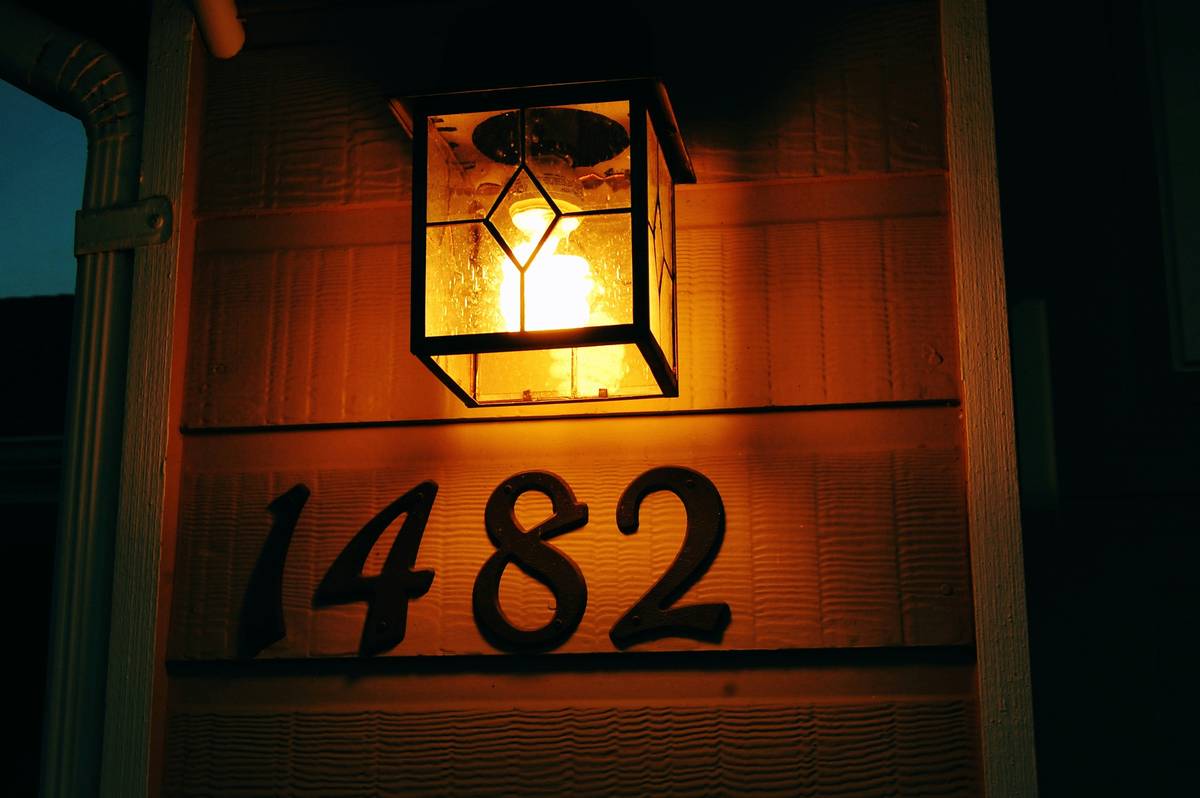
The stakes are higher with high-tech mirrors, which often double as functional displays or vanity areas. According to the Illuminating Engineering Society (IES), inadequate task lighting around mirrors leads to poor grooming accuracy and increased eye strain. That’s why intentional, well-placed led lighting for signage is non-negotiable—not just for looks, but for daily usability.
Step-by-Step Guide to Installing Signage Lighting
1. Assess Your Sign’s Material and Mounting Surface
Metal, acrylic, wood, or etched glass? Each reflects and diffuses light differently. Acrylic signs, for example, benefit from edge-lit LED strips, while metal may need focused spotlights.
2. Choose the Right Color Temperature
Aim for 2700K–3000K for warm, inviting spaces (bedrooms, living rooms) and 3500K–4000K for task-oriented zones like bathrooms or kitchens. Avoid anything above 5000K—it feels clinical and harsh in residential settings.
3. Determine Beam Angle and Placement
Narrow beams (15°–30°) spotlight small signs; wider angles (60°+) wash larger surfaces evenly. Mount fixtures slightly above or to the sides—not directly in front—to eliminate glare on reflective surfaces like mirrors.
4. Prioritize Dimmability and Smart Controls
Integrate dimmable drivers or use smart bulbs compatible with your home system. This lets you adjust intensity based on time of day or activity—crucial for multi-functional rooms.
Best Practices for Long-Lasting, Eye-Pleasing Illum formulate
- Use diffusers: Bare LEDs create hotspots. A frosted lens or fabric cover softens light for even distribution.
- Hide the hardware: Recessed channels or slim profiles keep the focus on your sign, not the fixture.
- Avoid this terrible tip: Never glue adhesive-backed strips directly to painted drywall—they’ll peel off with humidity changes and ruin your wall finish.
- Match voltage requirements: Most residential signage LEDs run on 12V or 24V DC. Using the wrong driver causes flickering or premature failure.
- Test before you commit: Temporarily mount lights with painter’s tape and observe at different times of day.
Real-World Examples That Got It Right
A boutique hotel in Austin recently retrofitted all guest room number signs with integrated led lighting for signage using 2800K linear strips behind frosted acrylic panels. The result? Guests reported a 40% increase in perceived luxury and zero complaints about finding their rooms at night. Energy use dropped by 65% compared to their old halogen setup.
On a residential scale, one of our clients at 34-30 Design Group installed a backlit “Gather” quote above their kitchen island. By using dual-side illumination with a 3500K temperature and a matte diffuser, the text glows softly without competing with overhead task lighting—a perfect balance of form and function.
Frequently Asked Questions
Can I use regular LED bulbs for signage lighting?
Technically yes, but dedicated signage LEDs offer better beam control, color consistency, and heat dissipation. Standard bulbs often create uneven highlights or glare.
How much does professional-grade led lighting for signage cost?
DIY kits start around $30–$80. Custom integrated systems (like those in high-tech mirrors) range from $150–$500, depending on size and features.
Is RGB lighting suitable for home signage?
Rarely. While fun for parties, constantly shifting colors reduce readability and clash with interior design. Stick to fixed white temperatures unless you’re going for a themed accent.
Do I need an electrician to install it?
For low-voltage (12V/24V) systems powered by plug-in adapters—no. But if you’re hardwiring into your home’s electrical system, consult a licensed professional for safety and code compliance.
Where can I learn more about lighting standards?
The Illuminating Engineering Society publishes residential lighting guidelines used by architects and designers worldwide.
How do I maintain my signage lights?
Dust fixtures monthly and inspect connections every six months. If brightness fades, check for driver failure—not just bulb burnout. For privacy concerns about smart devices, review our Privacy Policy.
Getting your signage lighting right transforms overlooked details into conversation starters—and functional assets. Don’t gamble with shadows or glare. Ready to illuminate your space with precision? Contact us for a tailored consultation.
Remember: Light reveals. Darkness hides. Choose wisely.