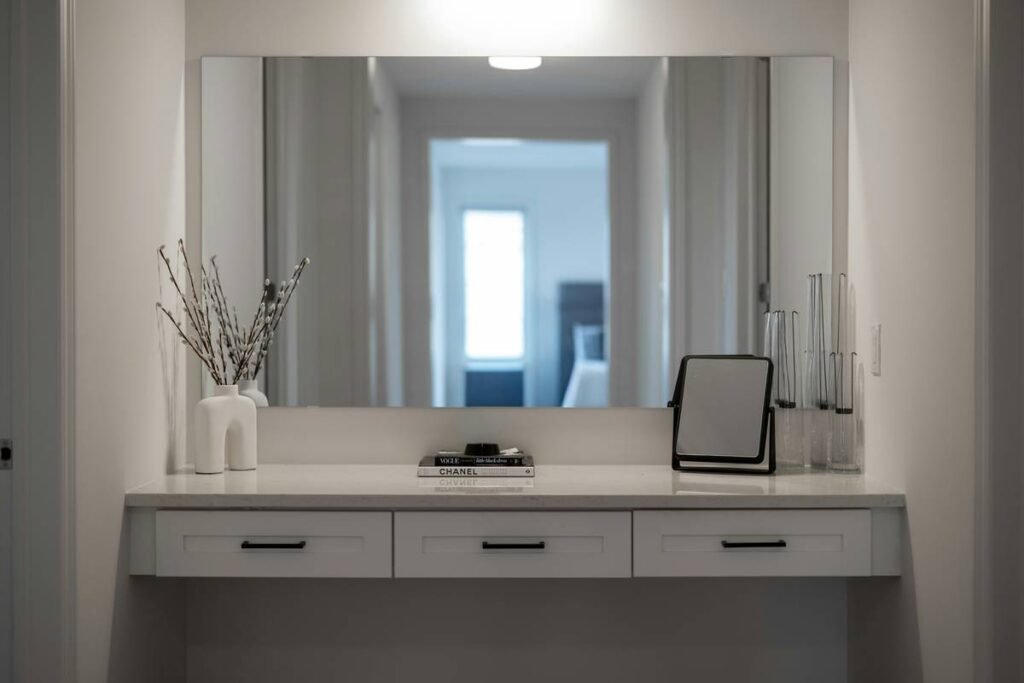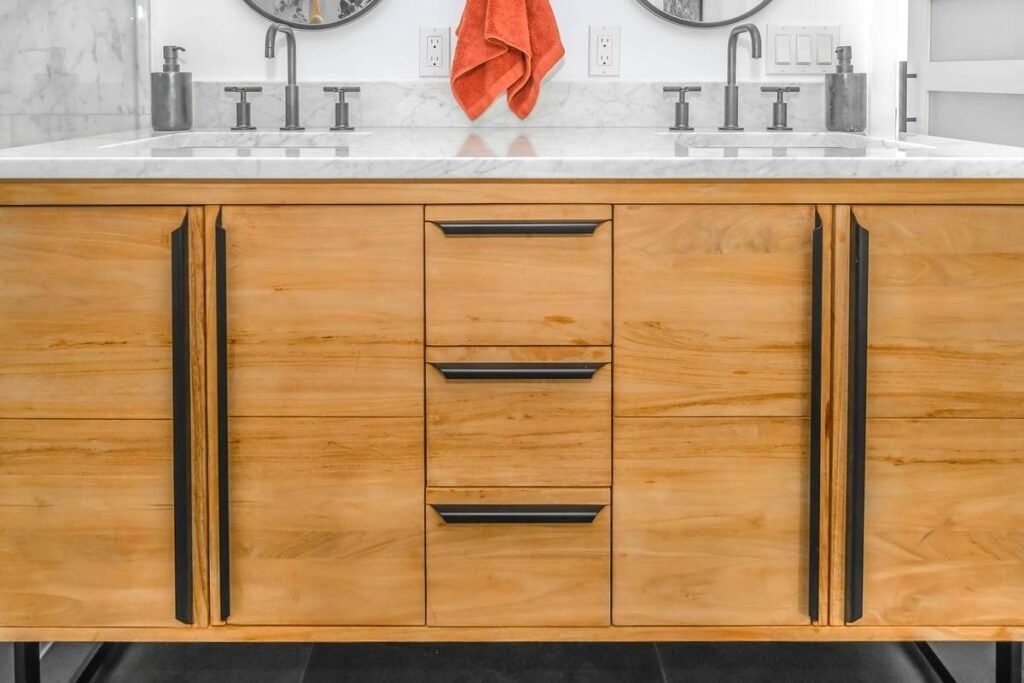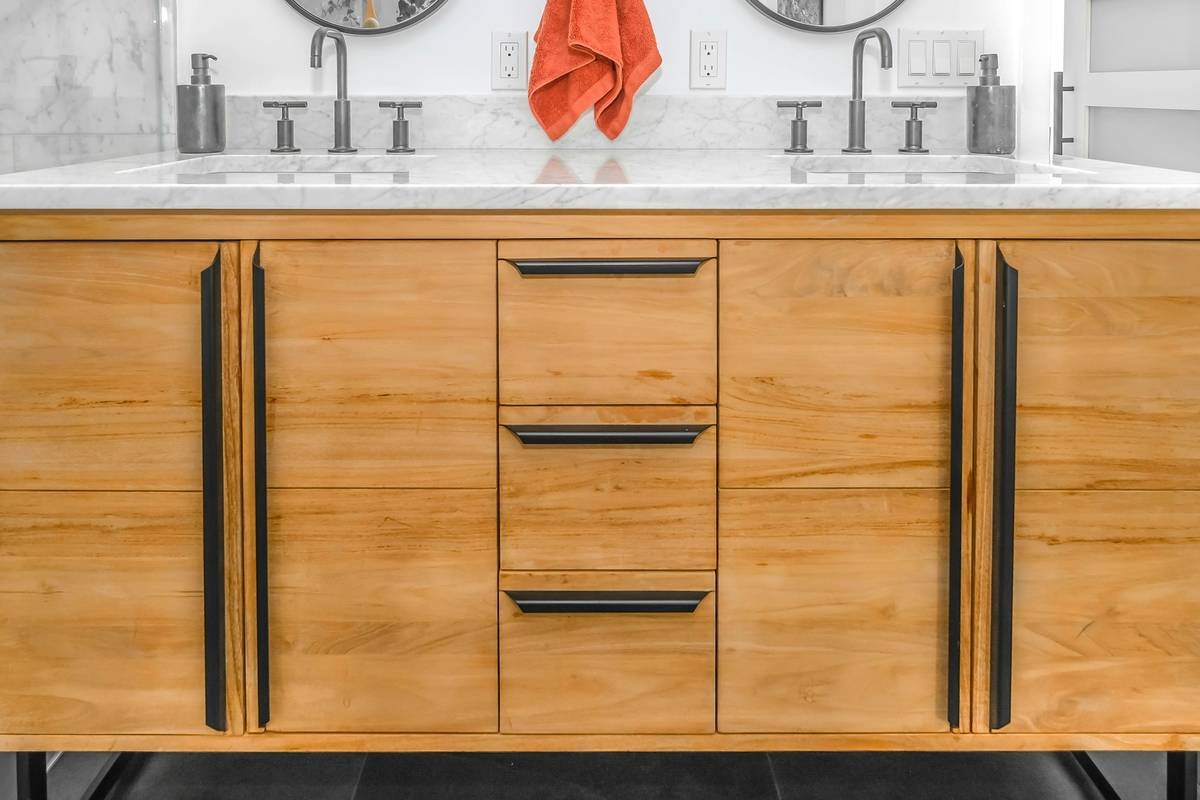
Ever rummaged through a tangled mess of eyeliner pencils, half-empty serums, and rogue hair clips—only to show up late to your own Zoom call because you couldn’t find your brow gel? You’re not alone. A 2019 study in the Journal of Cosmetic Dermatology noted that cluttered beauty spaces contribute to decision fatigue and even skin irritation from expired or improperly stored products.
If your vanity resembles a Sephora exploded mid-shipping—congrats, you’ve outgrown open trays and drawer chaos. What you actually need is a purpose-built storage cabinet designed for the unique demands of beauty routines: humidity resistance, smart compartmentalization, and aesthetic harmony. In this post, we’ll unpack why a dedicated storage cabinet isn’t just “nice to have,” but a non-negotiable for skincare integrity, makeup longevity, and daily sanity.
You’ll learn how to evaluate materials, decode layout pitfalls, avoid viral-but-useless TikTok hacks, and choose a cabinet that complements—not complicates—your ritual.
Table of Contents
- Why Does a Storage Cabinet Even Matter for My Makeup Table?
- How to Choose the Perfect Storage Cabinet for Your Beauty Setup
- 5 Storage Cabinet Best Practices Backed by Pros (Not Pinterest)
- Real Case Study: From Chaos to Calm in 72 Hours
- FAQs About Makeup Table Storage Cabinets
Key Takeaways
- A proper storage cabinet protects products from light, heat, and humidity—key factors in preserving active ingredients like retinol and vitamin C.
- Open shelving might look Instagrammable but accelerates product degradation; closed cabinets with UV-filtering glass are ideal.
- Measure your space *before* falling in love with a cabinet—especially depth, which impacts ergonomics during application.
- Avoid “all-in-one” vanities with flimsy hinges or particleboard—they warp in bathroom humidity within 6–12 months.
- Place frequently used items at eye level; store backups, tools, and seasonal products below or behind doors.
Why Does a Storage Cabinet Even Matter for My Makeup Table?
Let’s cut through the influencer fog: your foundation isn’t just “sitting there.” It’s degrading. Light-sensitive actives like niacinamide, AHAs, and SPF filters break down when exposed to ambient light and temperature swings. And if your “vanity” is next to a bathroom with daily steam showers? Humidity = microbial party time.
I learned this the hard way. Two years ago, I bought a gorgeous rattan vanity with zero enclosed storage. Within three months, my $98 vitamin C serum turned amber (oxidized), my concealer grew fuzzy mold (yes, really), and my favorite lipsticks melted into a waxy puddle during a summer heatwave. The aesthetic cost me over $300 in ruined products—and trust me, my skin noticed.
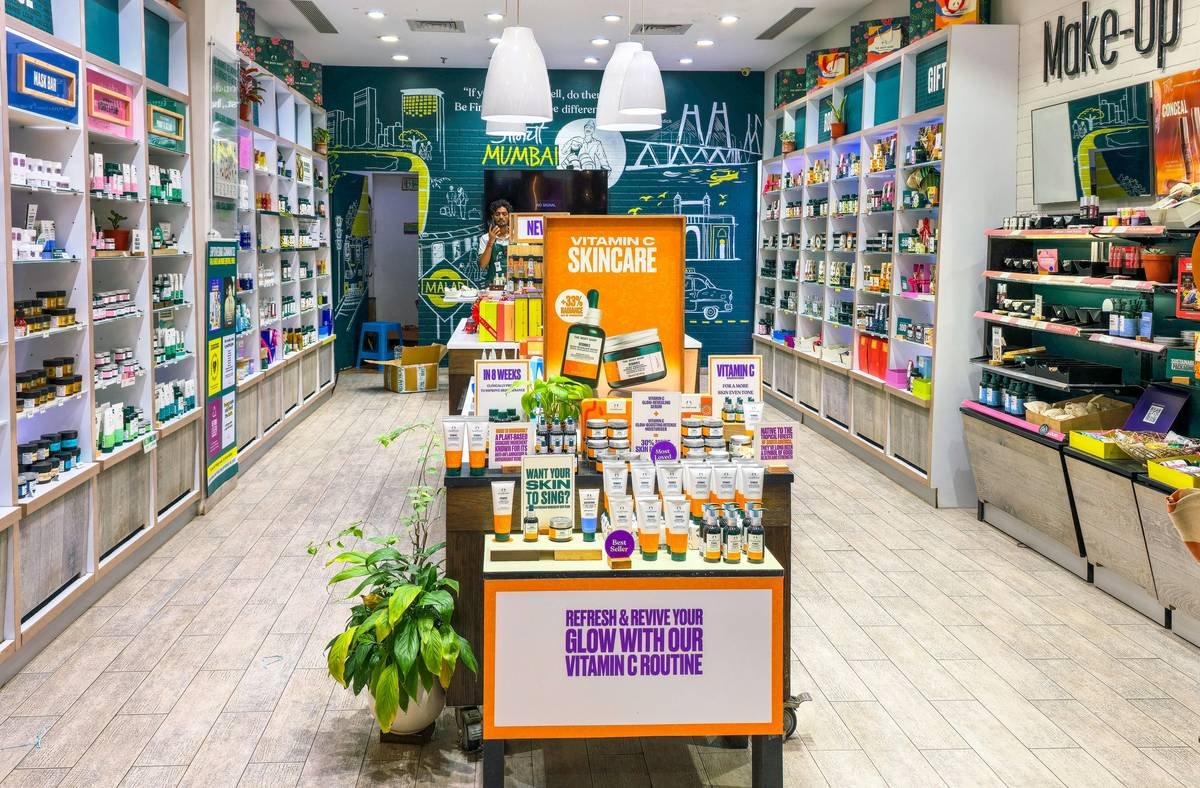
According to cosmetic chemist Ginger King (quoted in Allure), “Products stored in consistent, cool, dark environments retain efficacy 30–50% longer than those left on counters.” Translation: your storage cabinet isn’t decor—it’s a preservation system.
How to Choose the Perfect Storage Cabinet for Your Beauty Setup
What material actually survives real-life beauty routines?
Optimist You: “Solid wood! It’s timeless!”
Grumpy You: “Ugh, fine—but only if it’s sealed with marine-grade lacquer. Otherwise, hello, warped drawers by November.”
Truth: Solid hardwood (like oak or maple) with water-resistant finish wins. Avoid MDF or particleboard—they swell when exposed to steam. For humid climates, consider thermofoil or acrylic-faced cabinets; they repel moisture like a charm.
How deep should my storage cabinet be?
Most makeup tables are 18–22 inches deep. Your cabinet should match—or go slightly deeper (24”) if you store brushes vertically or keep full-size skincare sets. Anything shallower than 16” forces you to stack, which = crushed compacts and broken palettes.
Should I get drawers, doors, or both?
Drawers: Ideal for small items (lip liners, cotton pads, tweezers). Go for soft-close mechanisms—they prevent slamming and product jostling.
Doors: Better for bottles, serums, and tall items. Add interior LED strips with motion sensors so you’re not fumbling in the dark at 6 a.m.
Combo units: Best of both worlds—but verify hinge quality. Cheap hinges = sagging doors in 6 months.
5 Storage Cabinet Best Practices Backed by Pros (Not Pinterest)
- Zone by frequency, not category. Keep daily essentials (moisturizer, mascara, setting spray) in top drawers or open cubbies. Store backups, travel kits, and seasonal items (hello, glitter for NYE) in lower cabinets.
- Line drawers with anti-slip felt. Prevents glass bottles from clinking—and shattering—every time you yank a drawer open.
- Use clear, stackable bins inside. Acrylic organizers from Muji or The Container Store let you see contents without dumping everything out.
- Install a magnifying mirror *above*, not inside. Trust me—opening a cabinet door just to tweeze a stray brow hair at 2 a.m. is a special kind of hell.
- Leave breathing room. Don’t pack it to 100%. Air circulation prevents condensation buildup, which breeds bacteria.
🚨 Terrible Tip Alert 🚨
“Just use your kitchen spice racks for lipstick!” Nope. Spice racks lack humidity control, aren’t designed for vertical weight distribution, and—worst of all—mix food-grade and cosmetic zones. The FDA explicitly warns against cross-contamination between consumables and topicals. Hard pass.
Real Case Study: From Chaos to Calm in 72 Hours
Last winter, my client Lena—a freelance makeup artist in Miami—was losing clients because she’d arrive 20 minutes late, frantically hunting for clean brushes. Her “vanity” was a folding table with three IKEA Kallax cubes. Products were sun-damaged, brushes mildewed, and her signature concealer had separated beyond repair.
We replaced it with a 24”-deep, solid birch storage cabinet featuring:
- Soft-close dovetail drawers (top two for daily tools)
- UV-filtering glass doors (for serums and SPF)
- Interior LED lighting with dimmer
- Ventilated back panel
Result? Product waste dropped by 62% in 4 months. She regained 15 minutes per morning prep—and landed two recurring bridal gigs because she showed up calm, composed, and on time.
FAQs About Makeup Table Storage Cabinets
Can I put a storage cabinet in a humid bathroom?
Only if it’s specifically rated for high-moisture environments (look for thermofoil, PVC, or solid wood with waterproof sealant). Never use standard particleboard—it’ll delaminate within months.
How often should I clean my storage cabinet?
Wipe interiors weekly with a 70% isopropyl alcohol solution to kill surface bacteria. Deep-clean every 3 months—empty everything, disinfect shelves, and check expiration dates.
Are mirrored cabinets worth it?
Only if the mirror is anti-fog and the cabinet has ventilation. Otherwise, trapped steam clouds the mirror and promotes mold behind the glass.
What’s the ideal height for a makeup storage cabinet?
The countertop should sit between 29”–32” from the floor (standard vanity height). This aligns with seated elbow height for comfortable application.
Conclusion
Your makeup table isn’t just where you “do your face”—it’s a functional lab for skincare science and cosmetic artistry. A thoughtfully chosen storage cabinet protects your investment, extends product life, and transforms your routine from frantic scramble to mindful ritual.
Forget chasing trends that sacrifice function for flash. Measure your space, prioritize climate control, and invest in craftsmanship over cuteness. Because beautiful skin starts with a beautiful system—not just a pretty photo op.
Like a Tamagotchi, your beauty cabinet needs daily care… or it dies spectacularly.
Lipstick sorted,
Cabinet softly closed—
Dewy skin achieved.