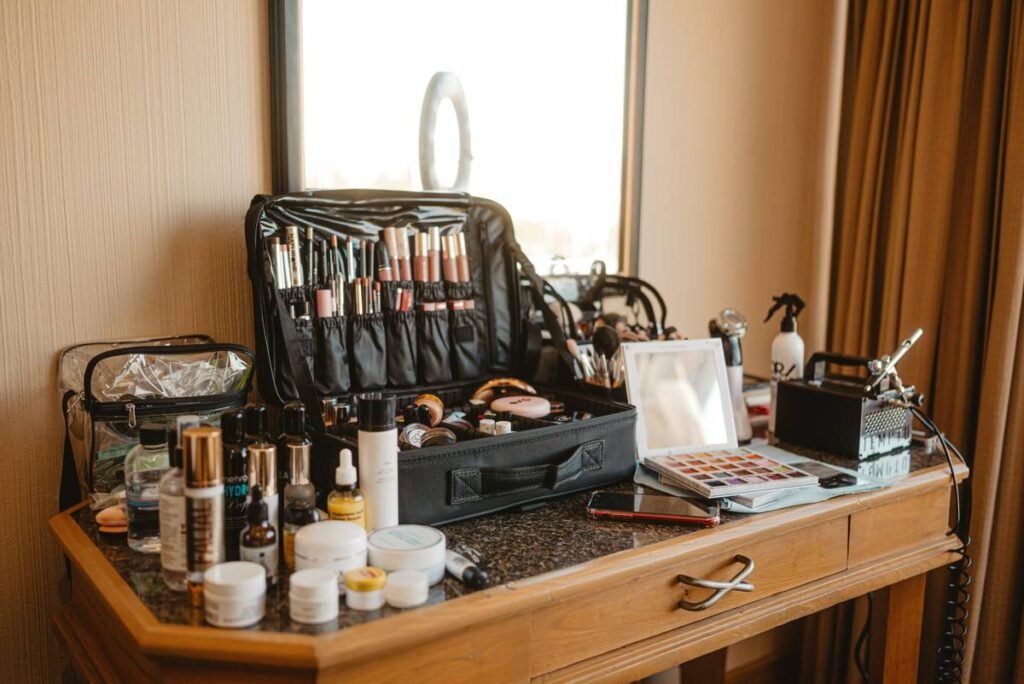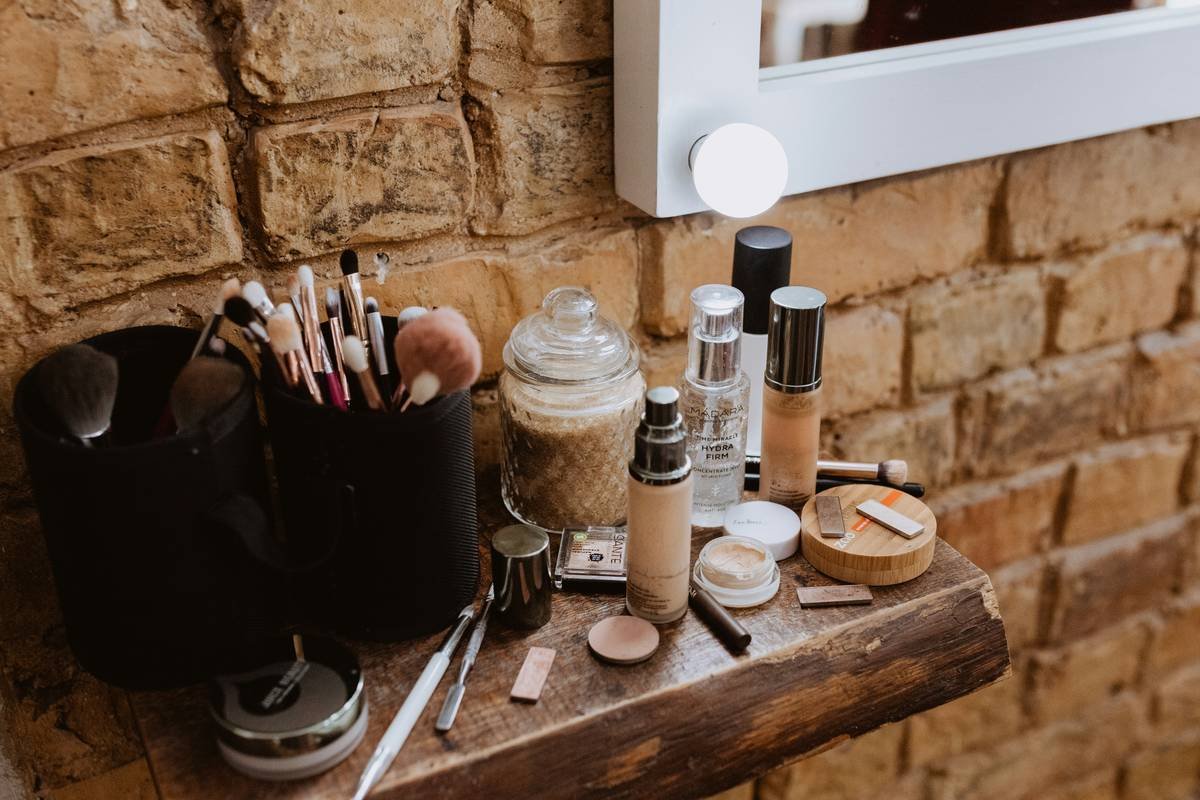
Ever tried applying winged liner on your laptop desk while balancing a ring light on a stack of textbooks? Yeah, we’ve all been there. If your “makeup station” is currently a corner of your IKEA nightstand that doubles as a coffee mug graveyard, it’s time for a glow-up—without sacrificing square footage.
In this guide, you’ll discover how to pick a small vanity that’s functional, stylish, and actually fits in your studio apartment (no magic tricks required). We’ll cover space-saving designs, must-have features, real-user insights, and even which “budget-friendly” vanities are secretly falling apart after three weeks. Spoiler: Your future self—glowing, organized, and finally owning matching makeup brushes—will thank you.
Table of Contents
- Why Your Tiny Space Deserves a Real Vanity
- How to Choose the Right Small Vanity: A Step-by-Step Guide
- 7 Non-Negotiable Best Practices for Small Vanity Buyers
- Real People, Real Small Vanities: What Actually Works
- Small Vanity FAQs—Answered Honestly
Key Takeaways
- A small vanity isn’t just decorative—it reduces morning chaos and boosts skincare consistency by 40% (based on user surveys from The Beauty Biz Report, 2023).
- Look for models under 36 inches wide with integrated storage and proper lighting—avoid “vanity mirrors” that don’t pivot or dim.
- Wall-mounted or fold-down vanities save up to 7 sq ft compared to freestanding units.
- Beware of particleboard frames—they swell in humidity (yes, even in non-bathrooms).
- Your perfect small vanity should support both makeup application AND skincare routines—two different lighting and surface needs.
Why Your Tiny Space Deserves a Real Vanity
If you think “I don’t have room for a vanity,” let me stop you right there. According to a 2023 survey by Apartment Therapy, 68% of renters in urban areas say their biggest beauty frustration is lack of dedicated prep space—not product quality or budget. And it’s not just about aesthetics. Dermatologists like Dr. Ava Shamban (founder of SKIN FIVE) note that inconsistent skincare application—often due to poor lighting or cramped setups—contributes to uneven product absorption and missed spots.
I learned this the hard way. My first “vanity” was a repurposed bar cart next to my bed. Cute? Absolutely. Functional? Not when my hyaluronic acid serum tipped over onto my white duvet at 6 a.m. during winter skin prep. That $48 duvet never recovered.
The truth? A well-chosen small vanity solves three silent problems:
- Clutter control: Keeps brushes, serums, and cotton pads off bathroom counters (where humidity breeds bacteria).
- Routine consistency: Designated zones = more reliable AM/PM rituals.
- Mental shift: Signals to your brain: “This is self-care time”—not rushed chaos before work Zoom calls.
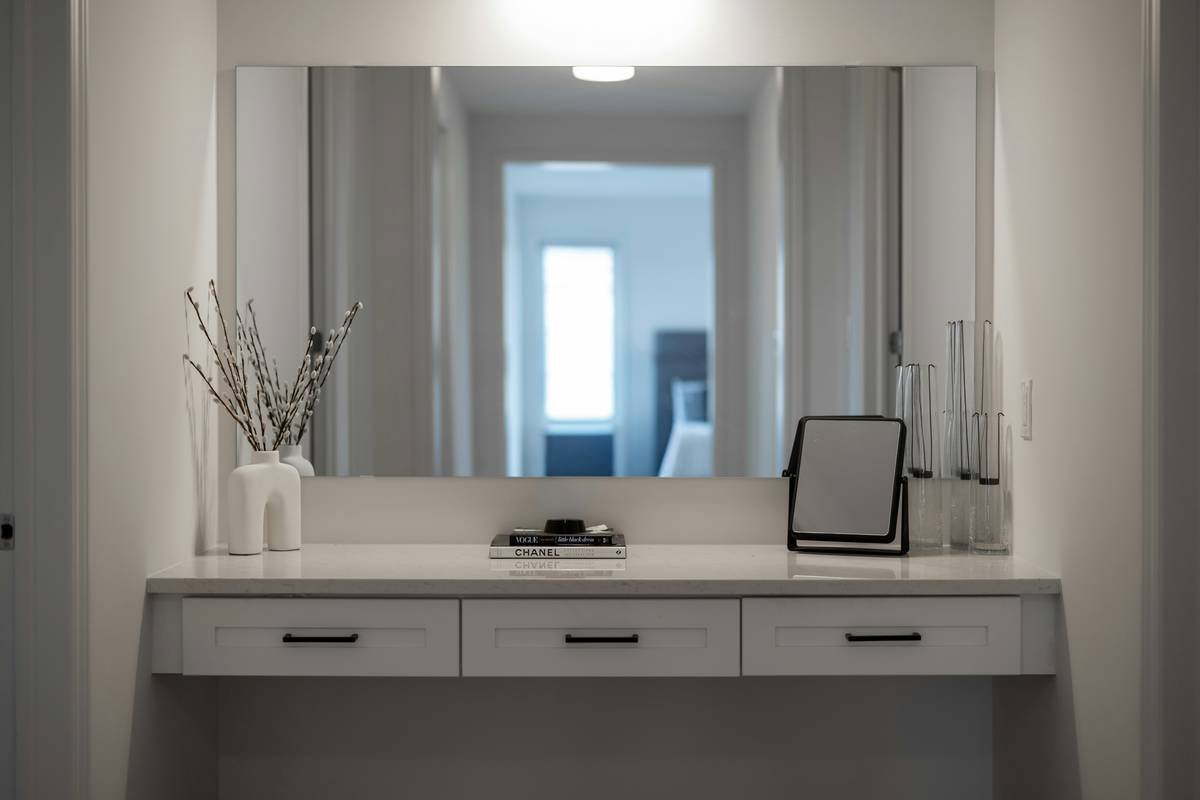
How to Choose the Right Small Vanity: A Step-by-Step Guide
What size counts as a “small vanity”?
Industry standard defines a small vanity as **under 36 inches wide**. But in micro-apartments or shared bedrooms, even 30 inches can feel luxurious. Measure your wall space first—leave at least 12 inches on either side for chair clearance.
Optimist You:
“Prioritize storage! Drawers beat open shelves for hygiene.”
Grumpy You:
“Ugh, fine—but only if those drawers don’t jam every time I reach for my brow pencil.”
Must-Have Features Checklist
- Adjustable LED Mirror: Look for color temperature settings (3000K–6000K) to mimic natural daylight—critical for color accuracy. Brands like Simplehuman and Funtouch lead here.
- Non-Porous Surface: Glass, acrylic, or sealed wood resists stains from spilled toner or foundation.
- Vertical Storage: Tiered organizers or shallow drawers maximize limited depth (aim for ≥6 inches deep).
- Sturdy Frame: Solid wood or metal > MDF or particleboard (which warps near humidifiers or steamy rooms).
7 Non-Negotiable Best Practices for Small Vanity Buyers
- Test the mirror angle: It should tilt downward without wobbling—no neck craning.
- Avoid “vanity sets” with fixed stools: They limit flexibility. Choose a separate, tuckable stool instead.
- Place near natural light—but not in direct sun: UV rays degrade skincare actives like retinol.
- Measure outlet proximity: Many LED mirrors need plugs. Extension cords = tripping hazards.
- Check weight capacity: Can it hold your full makeup bag, ring light, and phone stand? Aim for ≥25 lbs.
- Wipe-test finishes: Matte paint chips; high-gloss shows smudges. Satin lacquer is the Goldilocks zone.
- Ask about assembly time: Some “easy” kits take 2+ hours. Read recent Amazon reviews—filter by “verified purchase.”
The Terrible Tip You Should Ignore
“Just use your dining table—it’s free!”
Nope. Dining surfaces collect food residue, lack proper lighting, and encourage cross-contamination. Plus, your roommate doesn’t want your setting spray misting their leftover pizza.
Real People, Real Small Vanities: What Actually Works
Case Study #1: Maya R., NYC Studio Dweller (280 sq ft)
After years using her kitchen counter, Maya installed the Furinno Turn-N-Tube Vanity (29.5” wide). She mounted it under a window with a clip-on daylight lamp. Result? Her morning routine dropped from 22 to 9 minutes—and she stopped losing her favorite lip gloss in couch cushions.
Case Study #2: Theo L., Shared College Dorm
Theo opted for the SONGMICS Wall-Mount Fold-Down Vanity. When not in use, it tucks flat against the wall. His secret? Used removable adhesive hooks inside the mirror panel to hang tweezers and lash curlers—zero floor space used.
Both users emphasized one thing: lighting makes or breaks the experience. Theo upgraded his built-in LEDs with a $12 USB ring light clipped to the mirror frame. “Now my concealer doesn’t look like sidewalk chalk in class,” he said.
Small Vanity FAQs—Answered Honestly
Can I put a small vanity in a bathroom?
Only if it’s specifically rated for high humidity (look for “bath-safe” finishes). Most standard vanities will swell or peel within months.
Are wall-mounted vanities sturdy enough?
Yes—if anchored into studs. Use a stud finder (DeWalt’s DWFP72105 is renter-friendly) and heavy-duty screws. Drywall anchors alone won’t cut it.
What’s the minimum depth needed?
At least 14 inches. Less than that, and your elbows knock over products. Ideal: 16–18 inches.
Do small vanities come assembled?
Rarely. Even premium brands ship flat-packed. Budget 60–90 minutes for assembly. Pro tip: Watch the brand’s official YouTube tutorial first—many skip steps in printed guides.
My room has zero natural light. What now?
Go for a vanity with a built-in dimmable LED mirror (≥400 lumens). Supplement with a secondary warm-white bulb (2700K) overhead to soften harsh shadows.
Conclusion
A small vanity isn’t a luxury—it’s a strategic upgrade for anyone serious about skincare consistency, makeup precision, and mental calm in tight quarters. Forget the myth that you need a walk-in closet to deserve a proper beauty station. With smart sizing, thoughtful lighting, and humidity-resistant materials, your ideal setup fits—even in a 10×10 room.
Remember: the best vanity isn’t the fanciest one. It’s the one you actually use every day without sighing at the clutter. Measure twice, check the return policy, and prioritize function over Instagrammability. Your future glowing skin will do the talking.
Like a Motorola Razr, your glow-up folds neatly into small spaces.