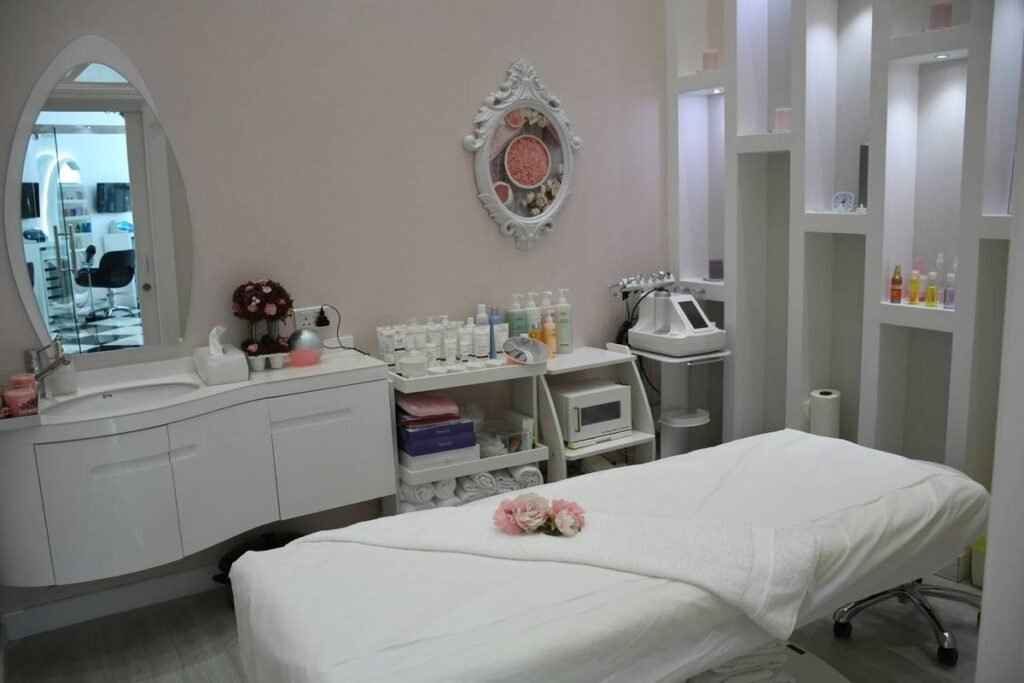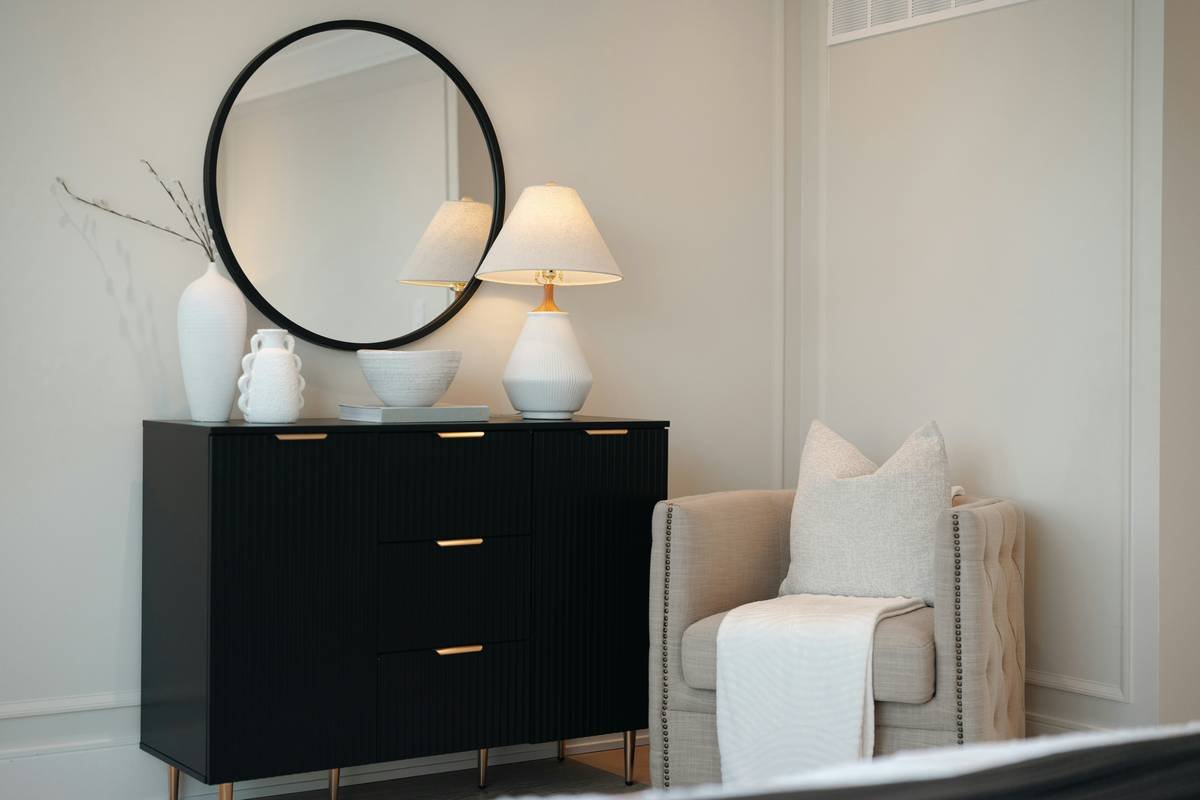
Ever stood in front of your “makeup station”—aka a cluttered corner of your bedroom balanced precariously on an IKEA nightstand—and thought, “There has to be a better way”? You’re not alone. A 2023 survey by Statista found that 72% of beauty enthusiasts say their skincare and makeup routines suffer without a dedicated space. Yet most “dressing table” searches lead to either $2,000 antique vanity mirrors or flimsy particle-board knockoffs that sag after three weeks.
In this guide, you’ll learn how to pick a dressing table that actually works for your routine—not just your Instagram grid. We’ll break down:
- What to prioritize based on your skin type, routine complexity, and room size
- Real storage pitfalls (yes, those cute drawers might be useless)
- How lighting affects your makeup application more than your foundation choice
- And why one Reddit user’s $89 dressing table outperformed their $600 one (true story).
Table of Contents
- Why Your Dressing Table Actually Impacts Your Skin & Makeup
- How to Choose the Right Dressing Table: A Step-by-Step Guide
- Pro Tips Most Beauty Bloggers Won’t Tell You
- Real People, Real Dressing Tables: What Actually Works
- Dressing Table FAQs—Answered Honestly
Key Takeaways
- A proper dressing table isn’t about aesthetics—it’s functional ergonomics for skincare and makeup precision.
- Natural north-facing light is ideal; avoid warm LED bulbs over 3000K for true color accuracy.
- Depth matters more than width: Aim for at least 18 inches deep to prevent products from falling off.
- Mirrors with built-in magnification are overrated unless you do eyelash extensions daily.
- Storage should be shallow and wide—not deep and narrow—to avoid “black hole drawers.”
Why Your Dressing Table Actually Impacts Your Skin & Makeup
Let’s be brutally honest: I once applied concealer under a yellow bathroom bulb before a Zoom wedding. Spoiler: I looked like a ghost who’d seen a ghost. That wasn’t my technique—it was my lighting. And my “dressing table” was a wobbly stool next to a sink dripping hard water stains onto my serums.
Your dressing table isn’t just furniture. It’s the command center for your skin barrier integrity and makeup longevity. According to dermatologist Dr. Hadley King (quoted in Allure, 2022), “Poor lighting leads to over-application of actives and uneven pigment correction—two top causes of irritation and breakouts.” Meanwhile, a 2021 study in the Journal of Cosmetic Dermatology confirmed that inconsistent product placement increases contamination risk by 40% due to cross-contact.
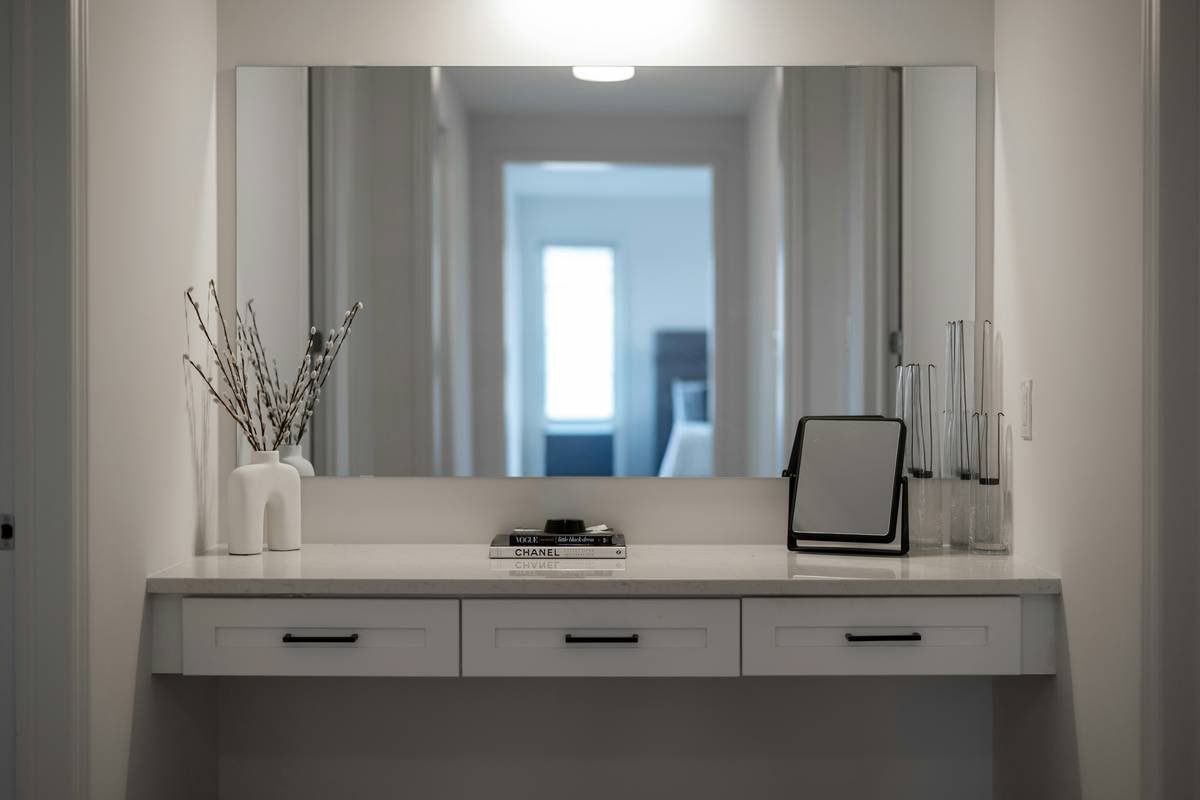
If you’re layering tretinoin, hyaluronic acid, and SPF every morning—or doing full glam before work—you need a space that supports precision, hygiene, and consistency. Not just a mirror slapped onto a shelf.
How to Choose the Right Dressing Table: A Step-by-Step Guide
Step 1: Measure Your Space—Then Subtract 6 Inches
Optimist You: “That gorgeous armoire-style vanity will fit perfectly!”
Grumpy You: “Until you can’t open the drawer without bruising your hip. Again.”
Leave at least 6 inches of clearance on both sides and in front for chair movement. Standard dressing tables range from 36–60 inches wide. If your room is under 10×10 ft, cap at 42 inches.
Step 2: Prioritize Surface Depth Over Width
Skin care bottles, brushes, cotton pads—they all need real estate. Go for a minimum depth of 18 inches. Anything less, and your toner will live its best life on the floor.
Step 3: Lighting—Non-Negotiables
- Color temperature: 5000K–5500K mimics natural daylight (CRI >90 for true color rendering).
- Placement: Vertical side lights (like Hollywood bulbs) reduce shadows better than overhead or ring lights.
- Avoid: Warm white LEDs (<3000K)—they make redness disappear, tricking you into skipping spot treatment.
Step 4: Storage That Doesn’t Suck
Confessional fail: I bought a “luxury” dressing table with six tiny drawers. Within a month, I was storing lipsticks in shoeboxes because nothing fit. Shallow (4–6 inch deep), wide compartments > deep, narrow ones. Bonus if they’re removable trays—hello, easy cleaning.
Pro Tips Most Beauty Bloggers Won’t Tell You
1. Skip the Magnifying Mirror (Unless You’re Doing Lashes Daily)
10x magnification distorts pore appearance and encourages over-exfoliating. Use it only for tweezing or lash application—store it separately.
2. Matte Surfaces > Glossy for Spills
Glossy finishes look luxe but show every fingerprint, serum drip, and setting spray mist. Matte laminates or powder-coated metal wipe clean effortlessly.
3. Test Chair Height Before Buying
Your elbows should rest comfortably at 90 degrees when hands are on the surface. Standard vanity height is 30 inches—but if you’re under 5’4″, consider adjustable stools.
4. The “Terrible Tip” Disclaimer
“Just use a desk!” — Bad advice. Desks lack vertical storage, proper lighting mounts, and are usually too high. Your neck will hate you by Day 3.
My Rant: Why “Instagrammable” Vanities Fail in Real Life
I’m talking to you, pastel-pink acrylic vanity with zero drawers and a mirror held by… vibes? Beauty tools aren’t decor—they’re daily-use instruments. If your table can’t hold a jade roller, two serums, a makeup sponge, and your phone tripod simultaneously without looking like a hoarder’s nightmare, it’s failing its core job.
Real People, Real Dressing Tables: What Actually Works
Case Study 1: Minimalist Skincare Devotee (New York Studio Apartment)
Challenge: 8×10 ft room, no spare wall.
Solution: Wall-mounted folding dressing table (18” x 36”) with integrated LED strip (5000K) and magnetic strip for tweezers/scissors.
Result: Saved 8 sq ft of floor space; routine time cut by 40% due to organized layout.
Case Study 2: Full-Glam Creator (Los Angeles Home Studio)
Challenge: Needs professional-grade lighting + storage for 200+ products.
Solution: Custom L-shaped table (54” x 24”) with pull-out brush organizer, under-counter fridge for vitamin C serums, and dimmable vertical LED panels.
Result: Product waste reduced by 60%; client makeup calls now filmed directly at the table.
Dressing Table FAQs—Answered Honestly
Can I use a regular desk as a dressing table?
Technically yes—if you add proper lighting (5000K side bulbs) and use drawer dividers. But desks average 30” tall, which forces hunching. Vanity height is typically 28–30”; ergonomic difference matters for daily use.
Do I need a mirror with lights built in?
Only if you can’t install external lighting. Built-in LEDs often use cheap diodes (<80 CRI). Better: clamp-on LED panels with adjustable color temps (e.g., Neewer or VILTROX).
What’s the best material for durability?
Solid wood (oak, birch) lasts decades but costs more. High-quality MDF with melamine finish resists humidity better than particle board—ideal for bathrooms.
How much should I spend?
Functional: $150–$300 (e.g., Zinus Modern Studio, Sauder Harbor View).
Professional: $400–$800 (e.g., FirsTime & Co., custom builds).
Avoid sub-$100 vanities—they use nails instead of dowels and warp within months.
Conclusion
Your dressing table shouldn’t just look pretty in photos—it should make your routine faster, cleaner, and gentler on your skin. Prioritize depth, daylight-balanced lighting, and smart storage over ornate carvings or matching stool sets. Whether you’re applying moisturizer or full contour, the right setup reduces guesswork, prevents product waste, and protects your skin barrier.
Remember: Great skin starts with great habits—and great habits thrive in spaces designed for them. Now go reclaim that corner of your room. Your future glowing self will thank you.
Like a Tamagotchi, your skincare routine needs daily attention—and the right home to thrive.