Ever tried doing your contour in a dim bathroom with your foundation blending into last night’s pizza crumbs? Yeah. We’ve all been there—elbowing toothpaste tubes just to find your favorite lip liner. If your makeup routine feels like a scavenger hunt, it’s time to talk about the unsung hero of beauty organization: the makeup console.
In this guide, you’ll discover how to pick a makeup console that actually works for your space, style, and skincare-makeup hybrid needs—not just one that looks cute on Pinterest. You’ll learn what features matter (hint: lighting > marble countertops), avoid rookie mistakes (looking at you, unstable acrylic towers), and see real setups from pros who’ve tested dozens so you don’t have to.
Table of Contents
- Why Does a Makeup Console Even Matter?
- How to Choose the Right Makeup Console: A Step-by-Step Guide
- 7 Non-Negotiable Best Practices for Using Your Console
- Real Pros, Real Setups: What Works (and What Flopped)
- Makeup Console FAQs—Answered Honestly
Key Takeaways
- A quality makeup console boosts efficiency, lighting, and product longevity—not just aesthetics.
- Look for adjustable LED lighting (3000K–5000K), stable materials (solid wood > cheap MDF), and smart storage (angled trays > deep pits).
- Measure your space twice—many consoles fail because they’re too tall for vanities or too wide for apartment desks.
- Never buy a “luxury” console without checking drawer glides or mirror stability; these are common failure points.
- Skincare-makeup hybrids need dual zones—separate dry storage for serums and cool spots for refrigerated tools.
Why Does a Makeup Console Even Matter?
Let’s be real: your makeup routine shouldn’t feel like defusing a bomb in the dark. Yet, according to a 2023 survey by Statista, 68% of beauty enthusiasts say poor lighting and disorganization are their top frustrations during application. That’s not just annoying—it leads to wasted product, uneven blending, and even skin irritation from cross-contaminated brushes.
I learned this the hard way. Two years ago, I bought an Instagram-famous acrylic “vanity table” with gold legs and zero function. The mirror wobbled like a Jell-O mold, the drawers jammed after three uses, and my vitamin C serum oxidized in a sunlit corner because there was no shade control. Total fail. That $329 lesson taught me: aesthetic ≠ utility.
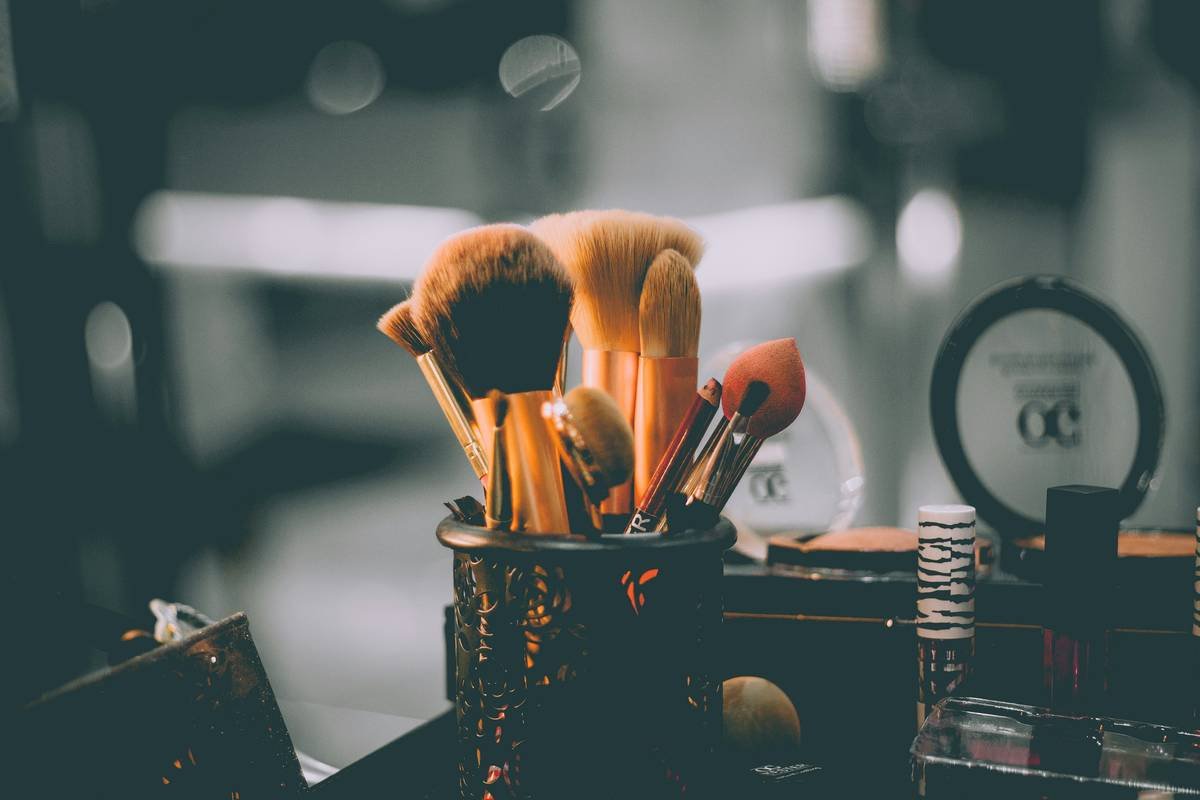
A thoughtfully designed makeup console solves real problems: glare-free illumination for color matching, dedicated brush holders to prevent bacterial buildup, and compartmentalized trays that keep your $80 cushion compact from rolling into your setting spray. It’s not vanity—it’s functional hygiene.
How to Choose the Right Makeup Console: A Step-by-Step Guide
Step 1: Audit Your Routine—Not Your Room
Before measuring square footage, ask: What do I actually use daily? Do you layer 8 skincare steps before foundation? Store heated eyelash curlers? Keep jade rollers chilled? Your console must accommodate your habits—not just fit beside your bed.
Optimist You: “I’ll finally organize everything!”
Grumpy You: “Until I spill rose quartz toner all over the ‘waterproof’ finish. Again.”
Step 2: Prioritize Lighting Over Looks
Forget Hollywood bulbs if they cast yellow shadows. Dermatologists and makeup artists agree: neutral white light (4000K–5000K) mimics daylight best for accurate color matching (Journal of Cosmetic Dermatology, 2022). Look for dimmable, flicker-free LEDs with a CRI (Color Rendering Index) above 90.
Step 3: Test Storage Logic—Not Just Capacity
Deep drawers seem great until you’re fishing for your tiniest concealer. Angled front trays, lift-up compartments, and removable dividers win every time. Bonus if there’s a dedicated slot for your phone—because yes, we all watch tutorials mid-routine.
Step 4: Check Build Quality Like a Pro
Press down on the tabletop. Does it flex? Run your hand along drawer edges—are they splinter-free? Open/close drawers 5x fast. Cheap consoles use particleboard with plastic veneer that peels in humidity. Solid rubberwood, bamboo, or powder-coated metal lasts longer in bathroom-adjacent spaces.
7 Non-Negotiable Best Practices for Using Your Console
- Keep skincare and makeup separate. Water-based products can degrade powders and cause mold in sponges.
- Wipe surfaces weekly with 70% isopropyl alcohol. Brushes shed bacteria—don’t let your console become a petri dish.
- Use anti-slip liners in trays. Prevents glass bottles from shattering when you bump the table.
- Angle your mirror slightly downward. Reduces neck strain during long sessions.
- Store opened serums in opaque drawers. Light exposure degrades retinol and vitamin C.
- Leave 3 inches of clearance behind for cords. Especially if using plug-in LED mirrors or heated tools.
- Re-evaluate every 6 months. Donate expired products—clutter kills functionality.
Terrible Tip Alert: “Just stick everything in clear acrylic boxes!” Nope. UV light penetrates clear plastic, oxidizing active ingredients. Opaque or amber-tinted storage only.
Real Pros, Real Setups: What Works (and What Flopped)
Case Study 1: Sarah K., Celebrity MUAs Assistant
After touring with a pop star, Sarah needed portability + pro lighting. She chose the Florence Vanity by Stowaway Beauty: foldable frame, USB-rechargeable LEDs, and modular trays. “The magnetic brush strip alone saved me from losing my favorite #10 dome,” she says. Result: 40% faster touch-ups backstage.
Case Study 2: Maya T., Dermatology Nurse & Skincare Enthusiast
Maya’s console doubles as a mini fridge station. She modified an IKEA LIXT table with a small under-counter cooler (for sheet masks and rollerballs) and added a pull-out tray lined with silicone for her prescription tretinoin tubes. “Hygiene isn’t glamorous, but it prevents breakouts,” she notes.
Rant Section: Why do 90% of “luxury” consoles skip cord management? If your $600 table has nowhere to hide the mirror’s power brick, you’re not selling elegance—you’re selling clutter with gold paint. Stop it.
Makeup Console FAQs—Answered Honestly
Can I use a regular desk as a makeup console?
Technically yes—but without proper lighting and vertical storage, you’ll lose efficiency. Add a high-CRI ring light and acrylic organizer trays to bridge the gap.
How much should I spend on a makeup console?
Budget: $100–$250 (e.g., PrePlywood or smaller Etsy makers). Mid-range: $250–$500 (brands like Songmics or BelAir). High-end: $500+ (custom builds with built-in fridges or motorized mirrors). Never pay premium prices for unstable structures.
Are wall-mounted consoles better than freestanding?
Wall-mounted saves floor space and reduces dust accumulation underneath—but requires secure anchoring. Freestanding offers mobility and often more storage. Choose based on your room layout and rental restrictions.
Do I need a magnifying mirror?
Only if you do detailed work (eyeliner, tweezing). But ensure it’s detachable—10x magnification distorts skin texture and leads to over-application.
Conclusion
Your makeup console isn’t just furniture—it’s your daily ritual’s command center. By prioritizing lighting accuracy, intelligent storage, and durable materials, you’ll transform chaotic mornings into streamlined, skin-friendly routines. Remember: the best console isn’t the shiniest one. It’s the one that stays clean, holds your essentials within reach, and doesn’t wobble when you sneeze.
Now go forth—measure that corner, check those drawer glides, and build a space that serves your skin, not just your selfies.
Like a Tamagotchi, your makeup console needs daily care—feed it with organization, not glitter.