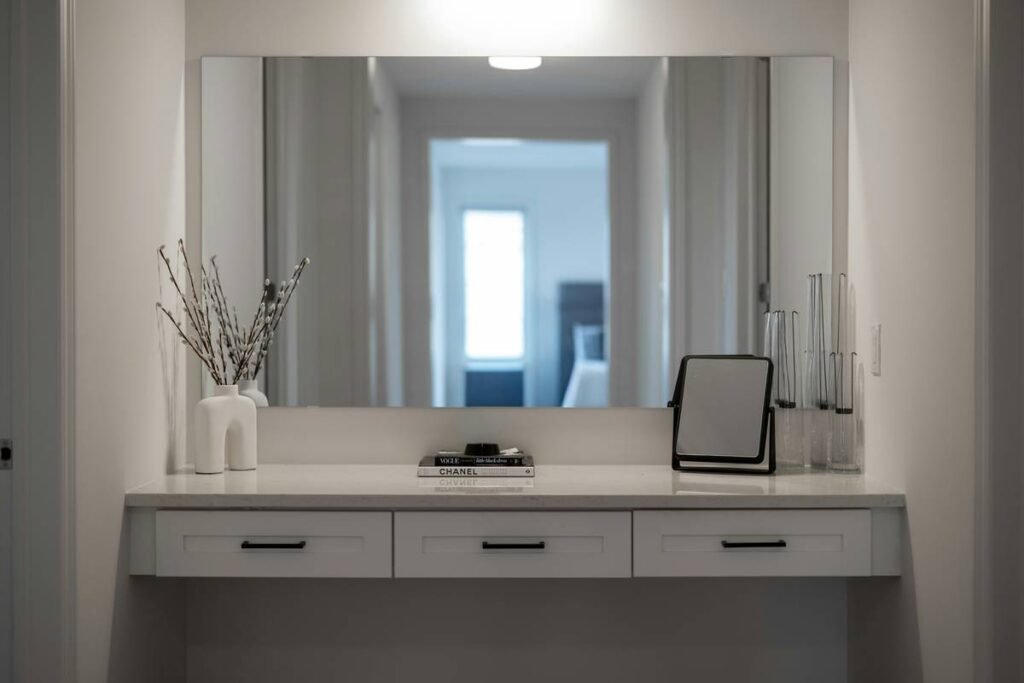
Your makeup vanishes. Brushes roll off the counter. Lipsticks hide in couch cushions. And your so-called “organized” vanity? It’s just chaos wearing a mirror. The problem isn’t your collection—it’s your vanity storage drawer. Most are shallow, flimsy, and designed by people who’ve never actually used foundation before noon.
Why Generic Vanity Drawers Fail Beauty Enthusiasts
Most vanities ship with drawers that look good on Instagram but collapse under real-world use. Thin wood warps. Slide mechanisms jam after six months. Dividers are non-existent—or worse, permanently glued into useless configurations.
And here’s what brands won’t admit: they prioritize aesthetics over function because most buyers never test them beyond unboxing. But if you touch up between Zoom calls or blend five products before coffee—you need more than a pretty box.
How to Choose & Organize the Perfect Vanity Storage Drawer
Forget rearranging clutter. Build a system that adapts to how you actually work. Start by auditing your tools—then match storage to motion, not just category.
Measure Depth Before You Buy
A true working drawer needs at least 4 inches of interior depth. Anything less? You’re stacking compacts like Jenga blocks. Go deeper (6–8 inches) if you store brushes vertically or keep palettes flat.
Prioritize Adjustable Dividers
Fixed compartments become obsolete the moment you buy a new product. Look for trays with removable inserts or modular acrylic grids. Bonus if they’re dishwasher-safe—spilled concealer is inevitable.
Consider Weight Distribution
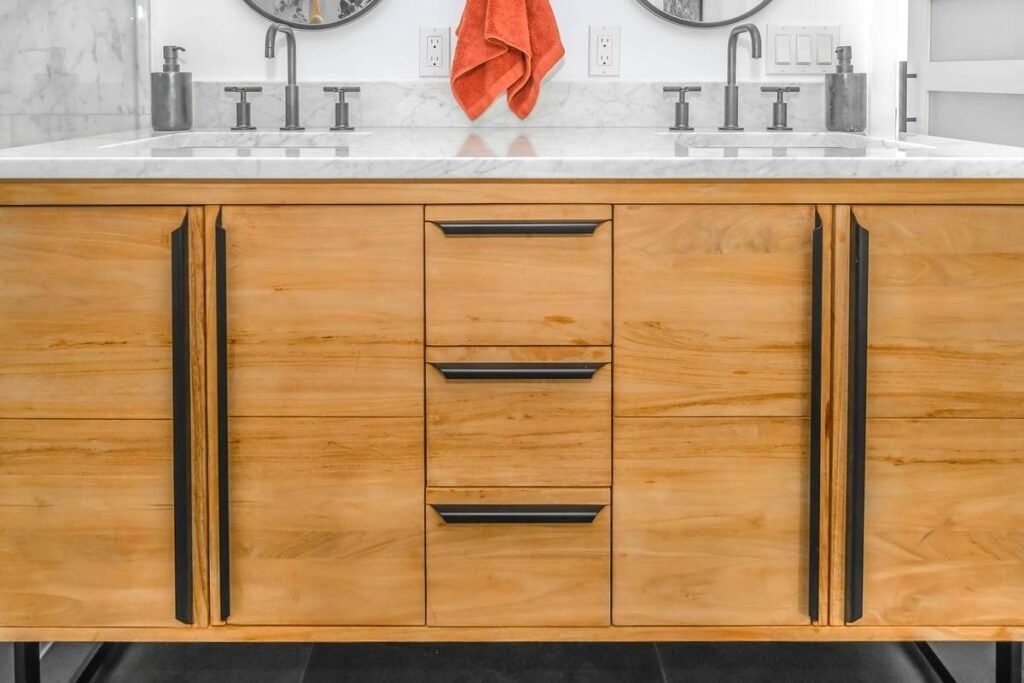
Heavy glass bottles in flimsy plastic drawers = warped fronts and sticky slides. Metal ball-bearing glides handle 15+ pounds without groaning. Test this before committing.
| Drawer Type | Max Load Capacity | Divider Flexibility | Price Range | Ideal For |
|---|---|---|---|---|
| Basic Particleboard | 5 lbs | None | $20–$50 | Minimalists with 10 items or fewer |
| Mid-Range Plywood w/ Soft-Close | 12 lbs | Removable Inserts | $90–$180 | Daily users with full routine |
| Premium Solid Wood + Full Extension Glides | 20+ lbs | Modular Acrylic System | $200–$400 | Pros, collectors, multitaskers |

The Industry Secret: Vanities Should Serve Movement, Not Just Storage
Here’s what top makeup artists do—but rarely talk about: they design their drawer layout around hand motion, not product type. Foundation goes near the mirror edge because it’s applied first. Q-tips and wipes live on the left if you’re right-handed—they’re cleanup tools, used last. Brushes face outward, handles toward you, so you grab without fumbling.
Think about it: your morning routine isn’t alphabetical. It’s kinetic. The best vanity storage drawer anticipates your flow—not just holds stuff. Yet 90% of mass-market vanities treat drawers like dead space beneath a mirror. Don’t accept that.
Frequently Asked Questions
Can I retrofit an old vanity with better drawers?
Yes—if the cabinet frame is solid. Replace hardware with full-extension, soft-close glides and add custom acrylic inserts. Avoid cheap “sliding tray” kits; they rattle and limit depth.
What’s the ideal number of drawers for a functional vanity?
Three. Top: quick-access daily essentials. Middle: bulk items (brushes, palettes). Bottom: backups, samples, or skincare. More drawers mean smaller compartments—less flexibility.
Are velvet-lined drawers worth it?
Only if you store luxury compacts you never open. Velvet traps powder, pills over time, and makes cleaning a nightmare. Smooth matte laminate or glass bases wipe clean in seconds.