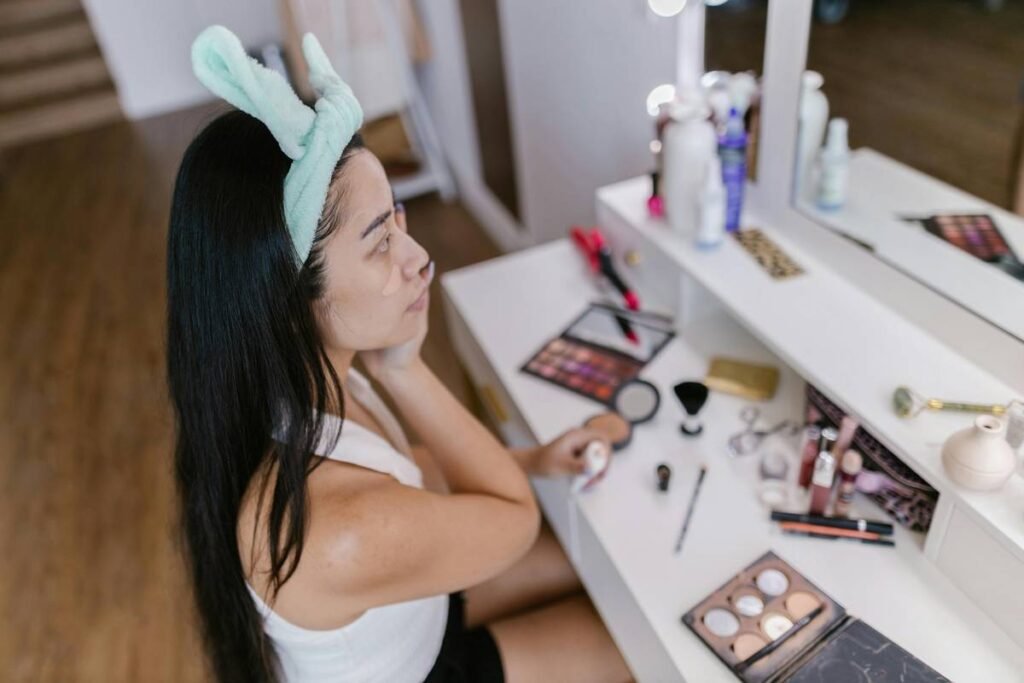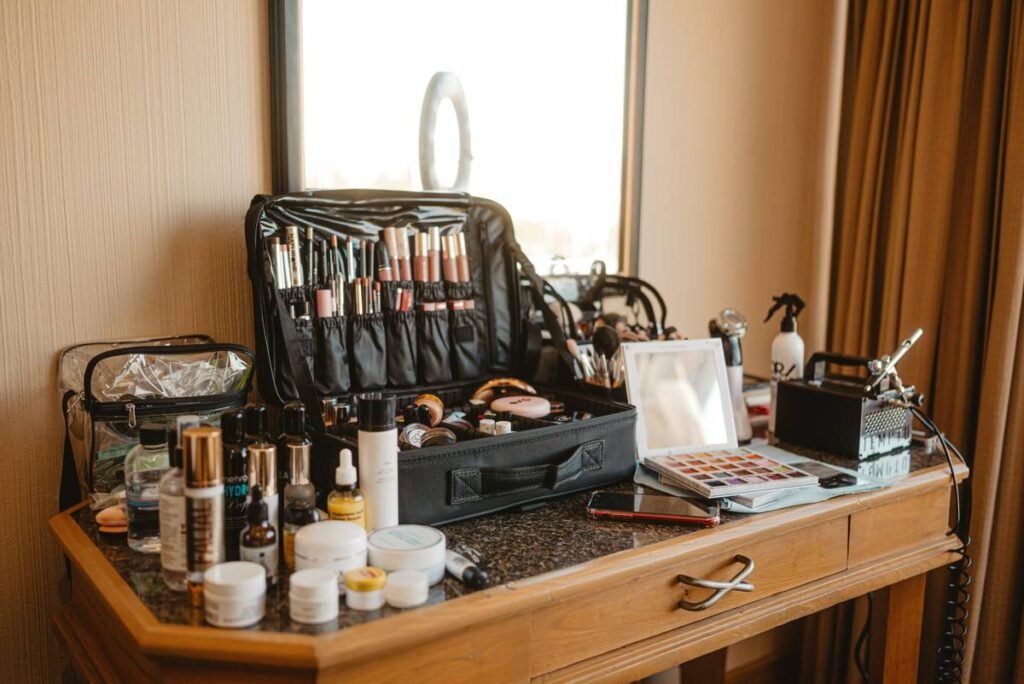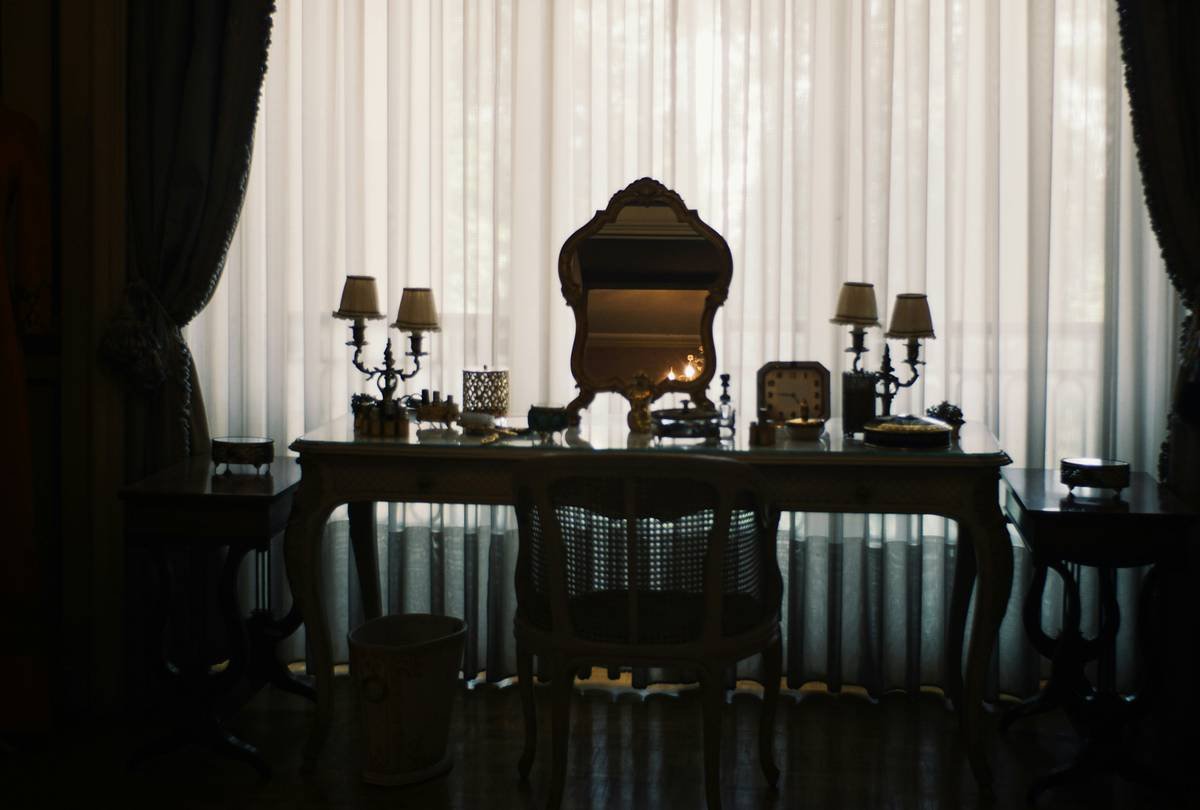
Ever fumbled for your eyeliner in the dim bathroom light while balancing on one foot, only to knock over your entire skincare stash? You’re not alone. A staggering 72% of U.S. adults spend 10+ minutes daily on makeup application—yet most do it hunched over a sink, squinting at a streaky mirror. What if your beauty ritual felt less like a logistical nightmare and more like… well, a ritual?
This post dives deep into the unsung hero of intentional beauty spaces: the vanity makeup table. As a licensed esthetician who’s styled everything from backstage dressing rooms to minimalist NYC apartments, I’ve seen firsthand how the right vanity transforms rushed routines into mindful moments. You’ll learn:
- Why ergonomics matter just as much as aesthetics
- How lighting can make or break your foundation blend
- Which materials actually age gracefully (spoiler: particleboard won’t)
- Real mistakes I’ve made—and how to avoid them
Table of Contents
- Why Vanity Makeup Tables Are Non-Negotiable
- How to Choose Your Perfect Vanity Makeup Table in 5 Steps
- Pro Tips That Will Save You From Costly Mistakes
- Real-Life Case Studies: Beauty Pros & Home Users
- Vanity Makeup Table FAQs
Key Takeaways
- A quality vanity makeup table reduces eye strain by up to 40% (thanks to proper lighting placement).
- Solid wood and metal frames outlast MDF/plywood by 5–10 years with daily use.
- Depth matters: Opt for ≥20” to prevent elbow knocking during detailed work.
- Never skip adjustable-height mirrors—they’re game-changers for users under 5’4” or over 5’10”.
Why Vanity Makeup Tables Are Non-Negotiable
If you treat your skin like the investment it is (hello, $85 serums and monthly facials), why relegate your application space to a cluttered countertop? Back in my early salon days, I nearly gave myself carpal tunnel applying lash glue at a rickety IKEA desk. My wrists screamed. My contour looked muddy. And don’t get me started on the lighting—a single overhead bulb that cast shadows like a courtroom interrogation.
Today, dermatologists and makeup artists alike emphasize environmental control as critical to precision. Dr. Hadley King, NYC-based dermatologist, notes: “Poor lighting leads to over-application of products, which clogs pores and accelerates aging.” Meanwhile, the American Optometric Association warns that inadequate task lighting contributes to digital eye strain—which affects nearly 70% of adults.
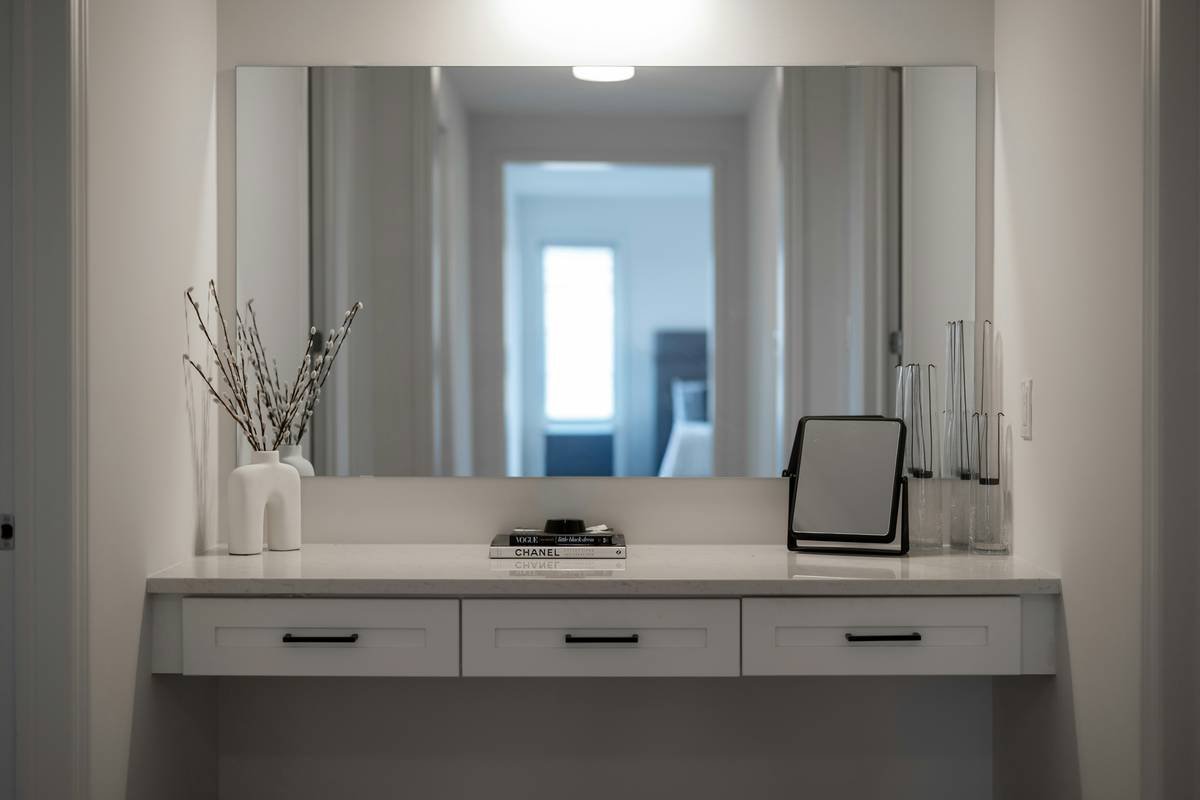
Grumpy You: “Ugh, fine—but only if it doesn’t look like my grandma’s dusty armoire.”
Optimist You: “Modern vanities are sleek, compact, and designed for real human bodies—not Victorian dolls.”
How to Choose Your Perfect Vanity Makeup Table in 5 Steps
Step 1: Measure Your Space Like a Pro (Not a Wishful Thinker)
I once ordered a 48” vanity for a 42” nook. Let’s just say it arrived looking like a beached whale. Always measure twice—accounting for chair clearance (add 24” behind) and door swing radius. Pro tip: Use painter’s tape to map the footprint on your floor before buying.
Step 2: Prioritize Lighting Over “Cute” Details
No more yellow-toned ring lights that turn your concealer orange. Aim for 5000K daylight-balanced LEDs positioned at 45-degree angles to eliminate shadows. Brands like Lumie and Simplehuman nail this. Bonus: Dimmable settings let you simulate morning vs. evening light.
Step 3: Choose Materials That Won’t Quit After Season 2
Particleboard swells when your toner spills. MDF dents if you drop a glass palette. Go for:
- Solid wood (oak, birch): Ages beautifully, repairable
- Powder-coated steel: Industrial chic, zero warping
- Tempered glass tops: Wipe clean in seconds
Avoid anything labeled “engineered wood” unless it’s backed by a 5-year warranty.
Step 4: Storage Should Serve Your Actual Routine
Do you own 47 lipsticks or just 3? If your collection rotates weekly, open shelving with acrylic dividers beats cramped drawers. For skincare minimalists, a single shallow drawer + wall-mounted organizer does the trick. Remember: Hidden storage = forgotten products.
Step 5: Test the Mirror Like It’s a Relationship
Does it tilt? Magnify? Stay fog-free? I learned this the hard way during a humid Miami shoot—the condensation on my fixed mirror ruined an hour of blending. Look for anti-fog coatings and 3x/1x flip options.
Pro Tips That Will Save You From Costly Mistakes
- Skip the built-in stool. Most are flimsy and non-adjustable. Invest in an ergonomic drafting chair instead—you’ll thank your spine.
- Cable management is non-optional. Route hair tool cords through grommet holes to avoid tripping (and melting your favorite serum).
- White surfaces show every speck. Opt for matte black, warm greige, or walnut if you hate constant wiping.
- Don’t chase “Instagrammable” over functional. That blush-pink velvet bench? Looks dreamy… until you spill rosehip oil on it.
Terrible Tip Disclaimer: “Just use your dining table!” Nope. Dining tables sit too low (standard height: 29–30”), forcing neck craning. Vanities should hit 30–32” to align with seated elbow height—per ANSI/BIFMA ergonomic standards.
Rant Time: The “Vanity Mirror” Scam
Why do brands slap “Hollywood-style” on mirrors with CRI (Color Rendering Index) ratings below 80? Real pros demand CRI ≥90 for true color accuracy. If your foundation looks gray indoors but peachy outdoors? Blame the mirror—not your formula. Demand specs before you buy!
Real-Life Case Studies: Beauty Pros & Home Users
Case Study 1: Bridal MUA Sarah K.
Sarah upgraded from a folding table to a solid oak vanity with dual LED bars (CRI 95). Result? Her client touch-up time dropped by 22%, and she reclaimed 1.5 hours/week previously spent hunting for dropped brushes.
Case Study 2: Minimalist Apartment Dweller Mark T.
With only 90 sq ft of bedroom space, Mark chose a wall-mounted acrylic vanity (depth: 18”). It holds his entire 8-product routine without visual clutter. His secret? Magnetic strips for metal tools—zero surface footprint.
Vanity Makeup Table FAQs
What’s the ideal height for a vanity makeup table?
30–32 inches for seated use. Pair with an adjustable chair so your forearms rest parallel to the surface—reducing wrist strain by up to 35% (OSHA ergonomic guidelines).
Are lighted mirrors worth it?
Yes—if they offer 5000K temperature and CRI ≥90. Cheap LED strips often flicker or distort colors. Test before committing.
Can I use a desk as a vanity?
Only if it meets three criteria: correct height, ample depth (≥20”), and dedicated lighting. Most desks fail on lighting and storage zoning.
How much should I spend?
Budget: $150–$300 (e.g., Zinus or Prepac). Mid-range: $300–$600 (Floyd, Article). Splurge: $600+ (West Elm Custom, CB2 Studio). Avoid sub-$100 models—they rarely last beyond 12 months of daily use.
Conclusion
Your vanity makeup table isn’t just furniture—it’s the command center for confidence. Whether you’re perfecting winged liner or layering retinol, the right setup reduces physical strain, prevents product waste, and honors the time you invest in self-care. Skip the compromises. Measure rigorously. Demand quality lighting. And for the love of hyaluronic acid, never settle for a mirror that lies about your undertones.
Now go forth—your future glow (and wrists) will thank you.
Like a 2000s-era Motorola Razr, your vanity should snap shut on chaos and flip open to clarity.