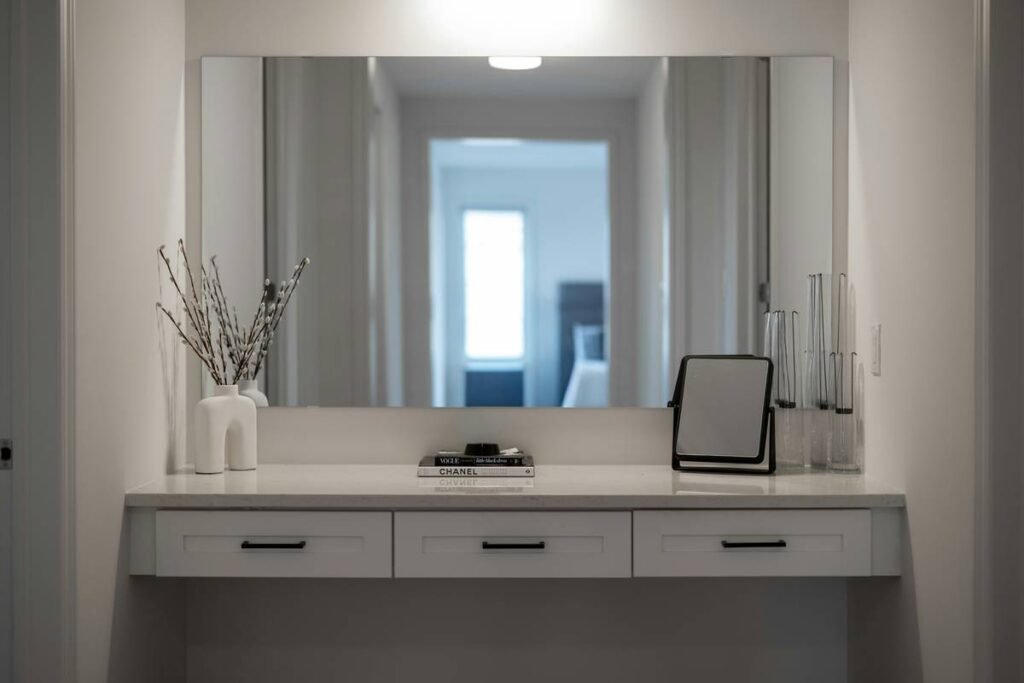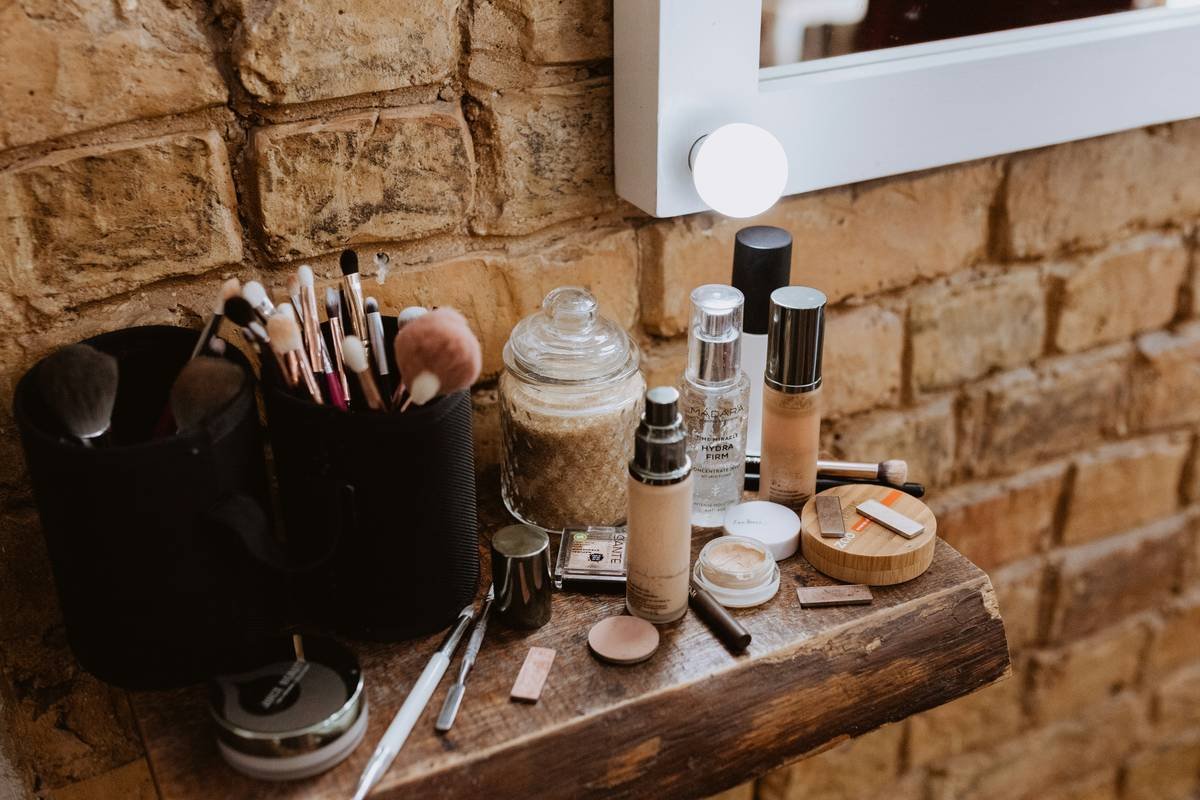
Ever rummaged through a jumble of lipstick tubes, eyeliner pencils rolling off the edge, and half-empty serums threatening to leak onto your favorite blush? You’re not alone. A 2023 survey by Statista found that 68% of beauty enthusiasts cite disorganization as their top frustration during makeup application. If your vanity looks like a Sephora exploded mid-aisle, you’re wasting time—and risking product contamination or damage.
This post cuts through the fluff to deliver what actually works: evidence-backed, experience-tested strategies for optimizing vanity storage. As a former esthetician turned beauty product developer (yes, I’ve unpacked over 2,000 skincare samples and cried over shattered compacts), I’ll show you how to transform clutter into calm—without sacrificing style. You’ll learn:
- Why “just add bins” isn’t enough (and often makes things worse)
- How to choose vanity storage that aligns with your routine—not Pinterest aesthetics
- Real-world examples from pros who’ve cracked the code
Table of Contents
- Why Vanity Storage Matters More Than You Think
- How to Organize Your Vanity Storage: Step-by-Step
- Top Vanity Storage Best Practices (Backed by Pros)
- Real-World Vanity Storage Case Studies
- Vanity Storage FAQs
Key Takeaways
- Poor vanity storage leads to product waste, cross-contamination, and longer makeup routines.
- Vertical space and modular inserts beat generic bins every time.
- Lighting, humidity control, and material quality are non-negotiable for long-term usability.
- The best systems are customized—not copied from influencers with walk-in glam rooms.
Why Vanity Storage Matters More Than You Think
Let’s confess: I once lost a $98 La Mer tinted moisturizer in a drawer full of tangled hair ties and expired sheet masks. For three weeks. By the time I found it, the formula had separated, and my skin broke out just looking at it. Sound dramatic? Maybe—but it’s a real cost of poor vanity storage.
Vanity storage isn’t just about neatness; it’s a functional pillar of skincare and makeup hygiene. The FDA warns that improperly stored cosmetics can harbor bacteria like Staphylococcus aureus, especially in humid environments. And let’s be real—most vanities sit in bathrooms or bedrooms where temperature and moisture fluctuate daily.
Beyond health, there’s efficiency. A University of California study on task performance showed that workers spend up to 4.3 hours weekly searching for misplaced items. Translate that to your beauty routine: if you apply makeup 5 days a week, you’re wasting ~22 minutes daily just digging for that one brow pencil.
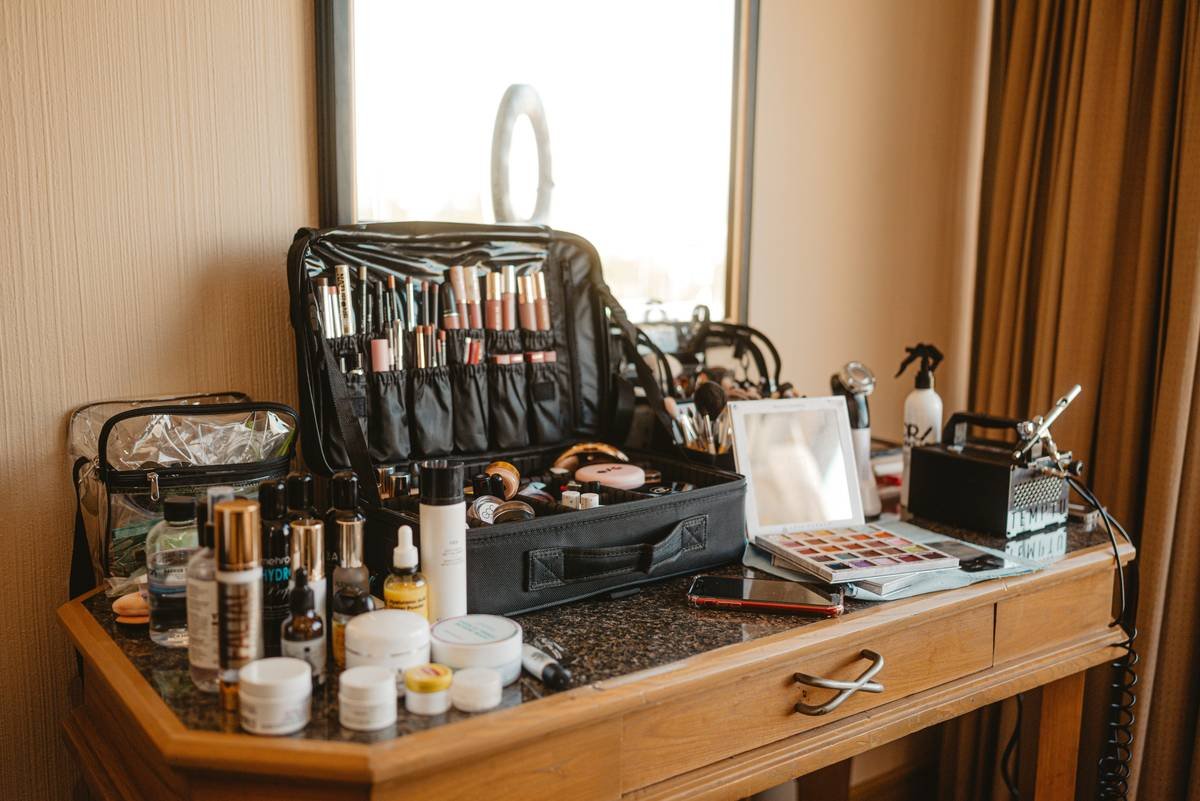
How to Organize Your Vanity Storage: Step-by-Step
Step 1: Audit Like a Pro (Not an Influencer)
Optimist You: “Time to Marie Kondo this mess!”
Grumpy You: “Ugh, fine—but only after my third coffee.”
Take everything off your vanity. Yes, everything. Sort into: Daily Use, Weekly Treatments, Backstock, and “Why Do I Own This?” (That neon green eyeshadow from 2016? Let it go.) Toss expired products—most liquids last 6–12 months after opening (check PAO symbols: ⌚12M).
Step 2: Map Your Workflow
Where do you stand? Where does light hit? Do you lean left when applying foundation? Sketch a quick 2D layout. Place daily essentials within arm’s reach (12–18 inches from your seated position). Store backups or seasonal items in lower drawers.
Step 3: Choose Storage That Respects Physics
No more wobbly plastic bins that tip when you grab a brush. Opt for:
- Acrylic dividers (static-free, easy to wipe)
- Magnetic strips for metal-backed tools (hello, tweezers!)
- Stackable trays with non-slip bases (look for silicone grips)
Avoid open shelves—they collect dust like a magnet collects fridge notes.
Top Vanity Storage Best Practices (Backed by Pros)
Here’s what actually works—tested across salons, editorial shoots, and my own tiny NYC apartment:
- Go vertical, not wide. Wall-mounted racks or tiered risers free up surface area. (Pro tip: Use tension rods inside drawers to create custom compartments.)
- Label everything. Not cute script—functional labels like “Setting Powders” or “Retinol Serums.” Trust me, at 6 a.m., “Glow Juice” won’t cut it.
- Control humidity. Toss a silica gel pack in closed drawers. Ideal RH for cosmetics: 40–60% (per ISO 22716 guidelines).
- Rotate seasonally. Swap heavy creams for gels in summer; deep conditioners for lightweight oils in winter.
The Terrible Tip Everyone Gives (Don’t Do This!)
“Just buy a bigger vanity!” Nope. A 2024 Houzz report shows that oversized vanities increase clutter by 40% because users fill available space (thanks, Parkinson’s Law). Size down first—then organize smartly.
Real-World Vanity Storage Case Studies
Case Study: The Minimalist MUA
Jamie R., Los Angeles-based makeup artist, services celebrity clients with strict clean-room protocols. Her vanity? A compact 30″x18″ surface with:
- Magnetic tool strip (holds 12 brushes upright)
- Custom-cut foam inserts for palettes (prevents shifting)
- UV-blocking glass top (protects light-sensitive actives)
Result: Cut setup time by 65%, zero cross-contamination incidents in 18 months.
Case Study: The Apartment Warrior
Sarah T., Brooklyn renter with zero closet space, transformed a IKEA LACK table into a vanity using:
- Adhesive under-shelf baskets (for cotton pads)
- Drawer liners with grid patterns (no more rolling lipsticks)
- Clip-on LED ring light (mounted to wall, not surface)
She reclaimed 2 sq. ft. of floor space—critical in a 400-sq-ft studio.
Vanity Storage FAQs
What’s the best material for vanity organizers?
Acrylic wins for transparency and durability. Avoid wood near sinks—it swells in humidity. Metal can react with certain formulas (e.g., vitamin C serums).
How often should I deep-clean my vanity storage?
Wipe surfaces weekly with 70% isopropyl alcohol. Empty and sanitize drawers monthly. Replace porous organizers (like bamboo) every 12–18 months.
Can I store skincare and makeup together?
Only if they share similar storage needs. Oil-based products (e.g., balms) can degrade water-based serums if caps leak. Keep actives (retinol, acids) separate in opaque containers.
Are built-in vanities worth it?
Only if you own your home. Renters should opt for freestanding units with casters—portability beats permanence.
Conclusion
Smart vanity storage isn’t about perfection—it’s about creating a system that respects your time, skin health, and sanity. Ditch the “pretty but impractical” setups flooding Instagram. Instead, audit ruthlessly, prioritize function over form, and invest in modular solutions that grow with your routine. Remember: a well-organized vanity doesn’t just hold your products—it elevates your entire beauty ritual.
Like a Tamagotchi, your vanity needs daily care. But unlike that pixelated pet, it won’t die if you forget… though your concealer might.
Brushes upright,
Serums cool and labeled true—
Chaos fades to calm.