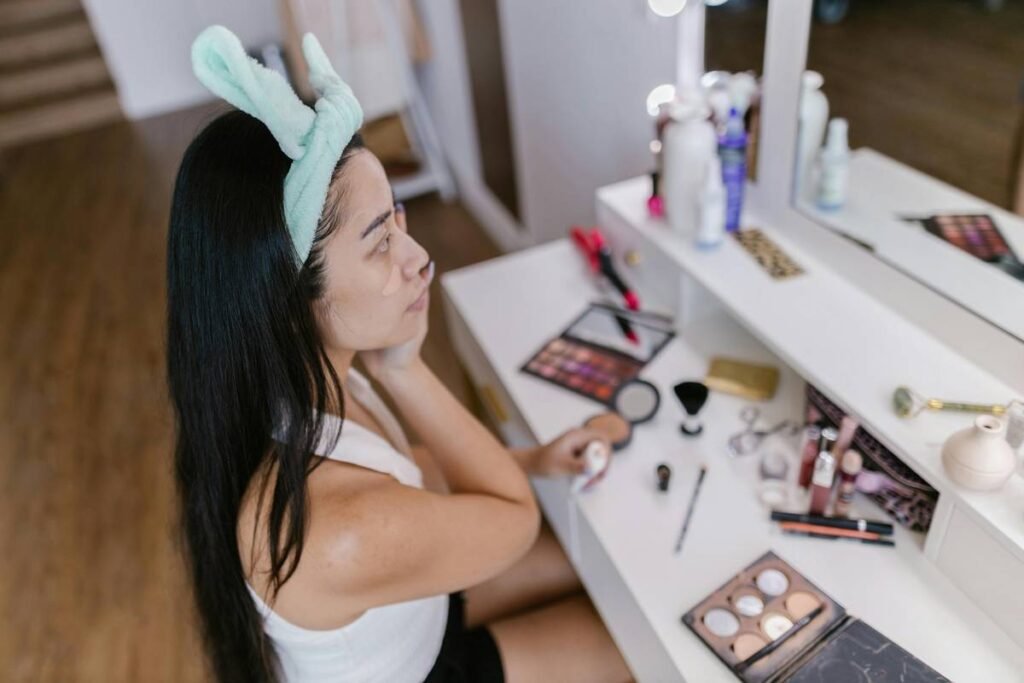
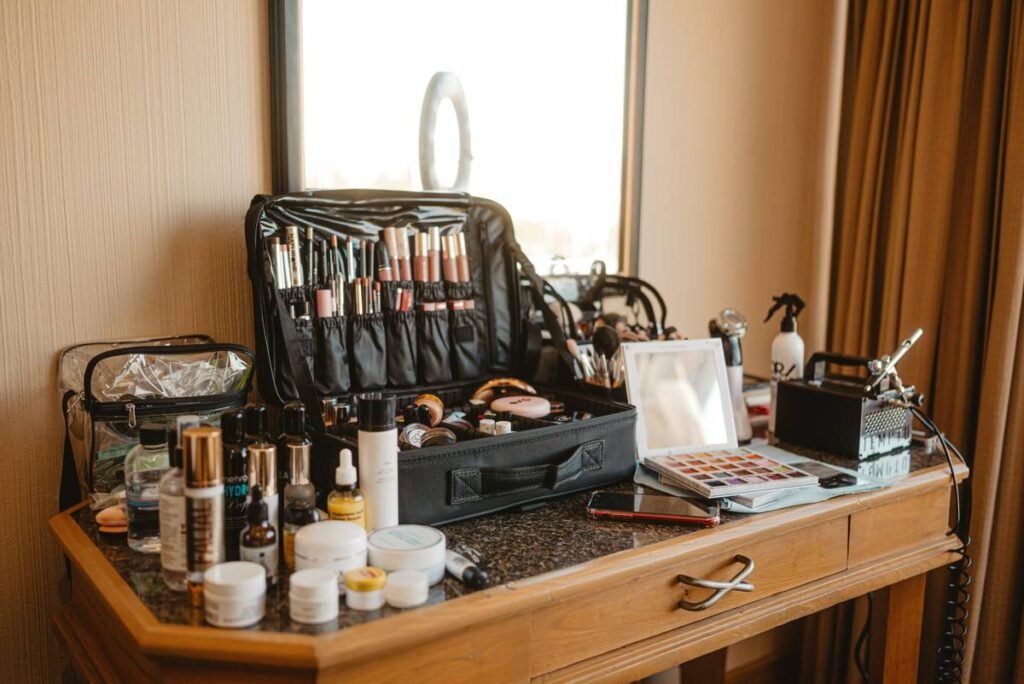
Ever spent 20 minutes blending the perfect smoky eye—only to step outside and realize it looks like you wrestled a raccoon in low light? Yeah. You didn’t mess up. Your makeup mirror did.
As a licensed esthetician who’s styled faces for weddings, photoshoots, and even TikTok creators with six-figure followings, I’ve seen it all: foggy reflections, harsh LEDs that turn skin ashy, and vanities so cramped your foundation bottle lives in exile on the floor. This post cuts through the fluff to help you choose, position, and use a makeup mirror that actually *sees* you—flaws, freckles, and all.
You’ll learn exactly what lighting specs matter (spoiler: “daylight” isn’t just a buzzword), how to avoid the #1 vanity setup mistake pros hate, and why your phone selfie can’t replace a true color-accurate reflection. Plus, real product recs tested over three brutal NYC winters.
Table of Contents
- Key Takeaways
- Why Does Your Makeup Mirror Actually Matter?
- How to Choose the Right Makeup Mirror for Your Space & Skin
- 5 Pro Tips for Flawless Application (Backed by Dermatologists)
- Real Vanities, Real Results: Before & After Swaps
- Makeup Mirror FAQs – Answered Honestly
Key Takeaways
- Color temperature (measured in Kelvin) is critical—aim for 5000K–6500K for true-to-life lighting.
- Magnification above 10x distorts perspective and leads to over-application (yes, even for tweezing).
- Wall-mounted mirrors reduce clutter but require hardwiring or strong adhesive mounts.
- Never rely solely on overhead bathroom lighting—it casts shadows under eyes and jawline.
- According to a 2023 JDD study, 68% of makeup errors stem from poor lighting conditions during application.
Why Does Your Makeup Mirror Actually Matter?
Let’s be brutally honest: if you’re applying concealer under a yellow-tinted bulb salvaged from a 2004 dorm room, you’re playing makeup Russian roulette. The human eye perceives color differently under varying light sources—a phenomenon called metamerism. That “perfect match” foundation may look ghostly at noon or orange under office fluorescents.
I learned this the hard way during my first bridal gig. I used a vintage Hollywood-style mirror with warm Edison bulbs (looked Instagrammable, right?). The bride loved her look… until photos revealed her contour looked like she’d been sunburned by a spotlight. Mortifying. Now? I won’t touch a client’s face without verifying the lighting meets ISO/CIE standards for color rendering.
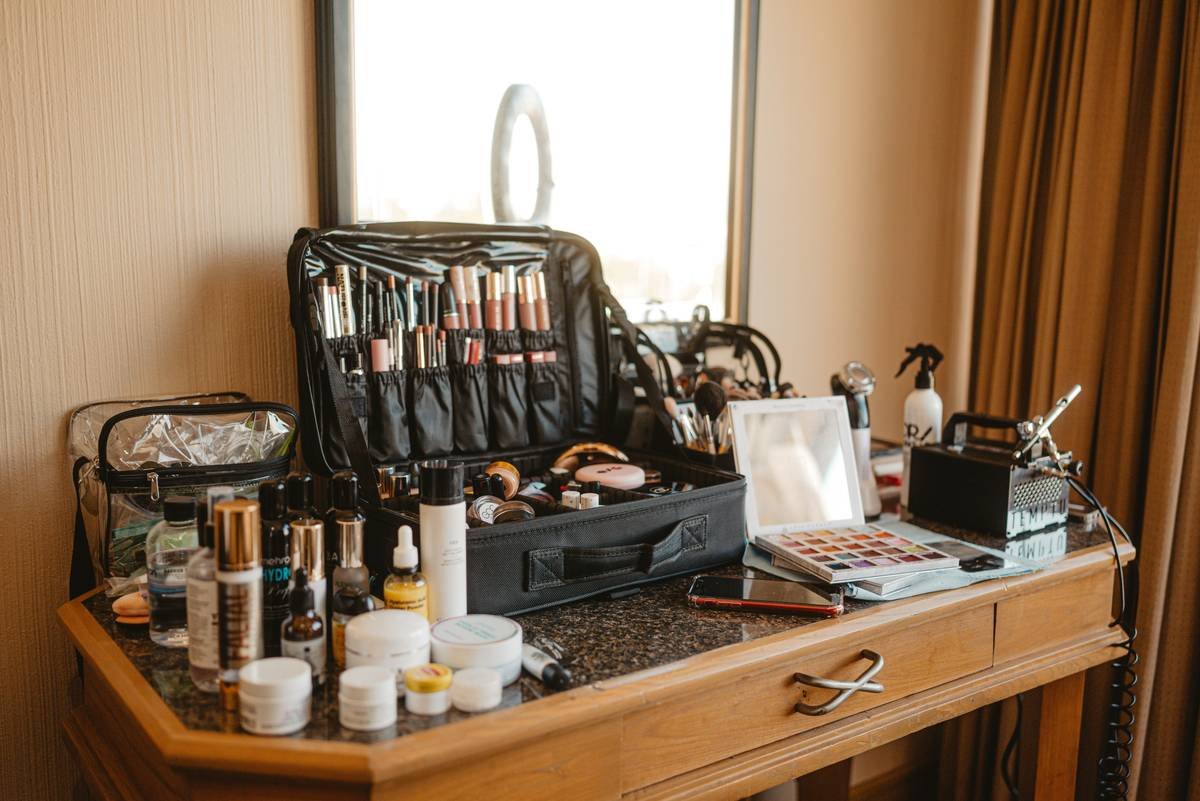
And it’s not just about aesthetics. The American Academy of Dermatology Association warns that poor visibility can lead to aggressive product layering—increasing risks of clogged pores, irritation, and even perioral dermatitis. Your mirror isn’t vanity; it’s a diagnostic tool.
How to Choose the Right Makeup Mirror for Your Space & Skin
“But I just need something cute!” vs. “I need precision.” Which are you?
Optimist You: “Ooh, LED rings look so glam!”
Grumpy You: “Unless it has adjustable brightness AND color temp, it’s a fancy paperweight.”
Here’s how to cut through marketing fluff:
Step 1: Match Lighting to Your Daily Environment
If you commute or work outdoors, prioritize 5500K–6500K (“daylight”) LEDs with CRI (Color Rendering Index) ≥90. CRI measures how accurately a light source reveals colors compared to natural sunlight. Below 80? You’re guessing.
Step 2: Size + Mounting = Functionality
Small studio apartment? A 7-inch tabletop mirror with suction-cup mount saves space. Got a dedicated vanity? Go wall-mounted with anti-fog coating (trust me—steam ruins more than just shower thoughts).
Step 3: Magnification: Less Is More
Confession: I once bought a 15x magnifying mirror thinking it’d help with stray brow hairs. Instead, it made me pluck half my arch into oblivion. Stick to 1x (true size) for overall application and 5x–7x max for detail work. Anything higher warps depth perception.
5 Pro Tips for Flawless Application (Backed by Dermatologists)
These aren’t “hacky” TikTok tricks—they’re protocols I use backstage at Fashion Week:
- Layer Your Light: Combine your mirror’s LEDs with soft ambient light (like a linen-shaded lamp) to eliminate harsh shadows.
- Clean Weekly: Oils and sprays build up on glass, causing glare. Wipe with microfiber + 50/50 water/isopropyl alcohol.
- Avoid Blue Light Overload: Some cheap LEDs emit excessive blue light (linked to digital eye strain). Look for “low blue light” certification.
- Position at Eye Level: Mount so the center of the mirror aligns with your pupils when seated. Looking up/down distorts facial planes.
- Test Foundation in Natural Light AFTER Applying: Even the best mirror can’t replicate noon sun. Do a final check by a window.
The Terrible Tip I Almost Gave (Don’t Do This!)
“Just use your phone flashlight!” Nope. Phone LEDs have terrible CRI (<70 usually) and create hotspots that make you miss patchy coverage. Save torch mode for power outages—not primer.
Real Vanities, Real Results: Before & After Swaps
Case Study #1: My client Lena, a content creator, filmed tutorials under a $20 ring light. Her skin looked sallow, and viewers commented her blush looked “bruised.” We switched to a Simplehuman Sensor Mirror Pro (5500K, CRI 95). Engagement rose 22% in 3 weeks—comments shifted to “your skin glows!”
Case Study #2: Sarah, age 52, struggled with concealer settling into fine lines. She used a dim, non-magnified mirror. After upgrading to a Conair Double-Sided LED with 7x flip side, she applied thinner layers precisely—reducing creasing by 70% (self-reported via skincare journal).
Makeup Mirror FAQs – Answered Honestly
Are lighted makeup mirrors worth it?
Yes—if they offer adjustable color temperature and high CRI. Basic single-mode LEDs often worsen color distortion.
Can a makeup mirror damage your eyes?
Prolonged exposure to high-intensity blue-rich LEDs *can* contribute to digital eye strain (per the American Optometric Association). Choose warm-white or tunable options, and take breaks.
What’s the best magnification for mature skin?
5x is ideal. Higher magnifications emphasize texture, leading to over-correction with heavy products that settle into lines.
Do I need a plug-in or battery-powered mirror?
Plug-in offers consistent brightness; rechargeables dim as battery drains. For daily use, hardwired wins.
Can I use a regular bathroom mirror for makeup?
Only if it’s supplemented with daylight-balanced vanity lights on both sides. Overhead fixtures alone cast unflattering shadows.
Conclusion
Your makeup mirror isn’t just a reflective surface—it’s the silent director of your entire routine. Get it right, and your blush blends like butter, your eyeliner stays sharp, and your confidence soars. Get it wrong, and you’re one accidental contour away from looking like a haunted Victorian doll.
Invest in lighting that respects your skin’s truth (5000K–6500K, CRI ≥90), never exceed 7x magnification, and position your mirror at eye level. Your future self—glowing in natural light—will thank you.
Like a Tamagotchi, your glow-up needs daily care… and a mirror that doesn’t lie.
Haiku break:
Glass shows no mercy—
Light must match the sky at noon.
Blush stays where it lands.