Ever sat down at your “dream” vanity, only to feel like you’re perched on a wobbly barstool at 6 a.m. while trying to wing liquid liner? Yeah. Been there. Done that. Ruined two pairs of silk pajamas in the process.
If your vanity stool leaves you slouching, straining, or secretly dreaming of your ergonomic office chair, you’re not alone—and it’s costing you more than just comfort. Poor seating posture can throw off your hand-eye coordination, distort mirror angles, and even contribute to neck tension after just 20 minutes of makeup application.
In this post, we’ll unpack why the right vanity stool isn’t just about style—it’s a functional cornerstone of your beauty ritual. You’ll learn how to choose one based on ergonomics, height, and durability (not just Instagram aesthetics), see real-world examples of stools that *actually* work, and discover common mistakes even seasoned beauty lovers make. Plus: I’ll confess my own $250 stool disaster—so you don’t have to repeat it.
Table of Contents
- Why Your Vanity Stool Actually Matters
- How to Choose the Perfect Vanity Stool: A Step-by-Step Guide
- 5 Best Practices for Long-Term Comfort & Performance
- Real Case Study: From Wobble to Wow
- Vanity Stool FAQs: Answered Honestly
Key Takeaways
- Your vanity stool should support neutral spine alignment—not look “cute” while wrecking your posture.
- Seat height must match your vanity countertop (ideal range: 18–22 inches).
- Swivel + padded cushion = non-negotiable for multi-step routines.
- Avoid fixed-height stools if you share your vanity—they rarely fit multiple users well.
- Durability matters: Look for solid wood frames or reinforced metal bases, not particleboard.
Why Does My Vanity Stool Even Matter?
Let’s be real: most of us treat the vanity stool as an afterthought—a matching footstool to complete the aesthetic. But as a licensed esthetician and former salon director who’s watched hundreds of clients apply makeup in less-than-ideal setups, I can tell you this: **poor seating is a silent saboteur of precision**.
The American Academy of Dermatology notes that consistent poor posture during close-up tasks (like applying eyeliner or tweezing brows) can lead to chronic neck strain and reduced fine motor control over time. And if your stool doesn’t allow your elbows to rest comfortably at a 90-degree angle while your forearms are parallel to the countertop, you’re fighting physics with every stroke.
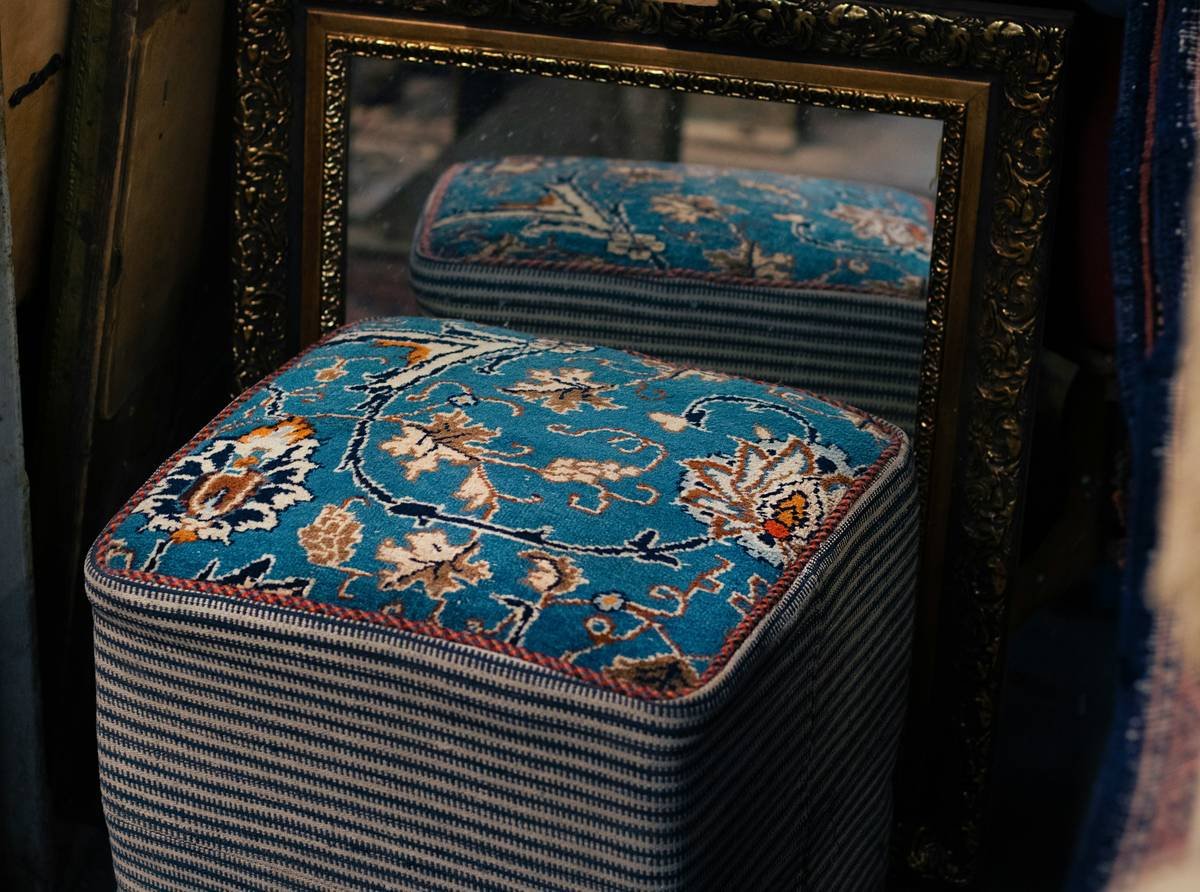
I learned this the hard way. Two years ago, I splurged on a gorgeous velvet-upholstered vanity stool from a trendy home brand. It looked stunning—until day three, when I realized I had to hunch forward just to see my lower lash line in the mirror. After a week of shoulder knots and smudged liner, I swapped it out for a clinic-grade adjustable stool… and my makeup application improved overnight.
How Do I Choose the Perfect Vanity Stool?
Step 1: Measure Your Vanity Height First
Your stool’s seat height should place your eyes roughly level with the center of your mirror. Most vanities sit between 30–34 inches high. For that range, you need a stool seat height of 18–22 inches. Use a tape measure—don’t guess!
Step 2: Prioritize Adjustability (Seriously)
Unless you live alone and never host friends for “makeup dates,” go for an adjustable-height stool. Hydraulic lift mechanisms (common in salon chairs) offer smooth customization. Fixed stools might look sleek, but they’re one-size-fits-none in practice.
Step 3: Check the Base Stability
A wobbly stool isn’t just annoying—it’s dangerous. Look for a five-point base** (like office chairs) or a heavy, wide pedestal. Avoid three-legged designs unless they’re weighted cast iron (hello, vintage charm—but heavy lifting required).
Step 4: Upholstery That Survives Spills
Velvet might look luxe, but it stains easily with foundation, serum, or setting spray. Opt for performance fabric**, vegan leather, or wipeable microfiber. Bonus: removable covers = easy cleaning.
Step 5: Swivel + Footrest = Game Changers
Swivel function lets you reach drawers or product trays without twisting your spine. A built-in footrest (or ring) supports circulation during long sessions—critical if you do full glam or skincare layering.
What Are the Best Practices for Using a Vanity Stool?
- Sit with feet flat: If your feet dangle, add a footrest. Dangling legs reduce blood flow and cause fidgeting.
- Position mirror at eye level: Not too high (craning neck) or too low (hunching). The mirror’s center should hit your brow bone when seated.
- Keep frequently used items within arm’s reach: No stretching! Store brushes, liners, and serums in drawer organizers or tabletop caddies.
- Clean upholstery weekly: Makeup residue builds up fast. Wipe with a damp microfiber cloth + mild soap.
- Replace if it squeaks or wobbles: Hardware fatigue isn’t cute—and it’s a fall risk.
Grumpy Optimist Corner
Optimist You: “A beautiful vanity stool elevates your entire routine!”
Grumpy You: “Ugh, fine—but only if it doesn’t collapse when I’m mid-contour. And coffee better be on the tray.”
Can a New Vanity Stool Really Transform My Routine? (Real Example)
Last winter, my client Maya—a bridal makeup artist—complained of constant wrist pain. She worked from home using a $99 “boudoir set” with a flimsy, fixed-height stool. Her vanity was 32″ tall; her stool seat? 17″. She was perpetually leaning forward, elbows jutting out, wrists bent unnaturally.
We swapped her stool for an adjustable salon-style stool with memory foam padding and a 360° swivel (seat height: 18–24″). Within a week, she reported less fatigue, sharper eyeliner lines, and zero wrist discomfort during 3-hour trial sessions.
Moral? Function beats frills—every time.
Vanity Stool FAQs: Answered Honestly
“Do I really need a special stool? Can’t I just use a dining chair?”
You can—but dining chairs are too tall, lack swivel, and often have arms that block drawer access. Vanity stools are designed for close-proximity, seated precision work. Don’t compromise.
“Are padded stools unhygienic?”
Not if you choose performance fabrics or wipeable materials. Avoid porous textiles like raw cotton or untreated linen—they trap oil and bacteria.
“What’s the ideal stool width?”
16–20 inches wide offers enough surface area without crowding your vanity footprint. Anything narrower feels unstable; wider takes up precious legroom.
“Should I get one with storage?”
Only if the storage doesn’t compromise stability. Hidden compartments under the seat often weaken the frame. Better to keep storage in your vanity drawers.
“Terrible Tip Alert: ‘Just buy the cheapest matching set!’”
This is how you end up with particleboard that cracks in humid bathrooms or stools that shed glitter foam after three uses. Invest in structure first, aesthetics second.
Rant Section: My Pet Peeve?
Brands selling “vanity sets” where the stool seat is 6 inches lower than the vanity top—like you’re supposed to levitate while applying concealer. Stop it. Ergonomics aren’t optional.
Conclusion
Your vanity stool isn’t just decor—it’s a tool. Like your favorite brush or LED mirror, it directly impacts the quality, comfort, and sustainability of your beauty routine. Choose one that supports your body, matches your vanity height, and stands up to daily use. Because flawless makeup starts with a stable seat—not a stylish sacrifice.
Now go forth and sit pretty—without the pain.
Like a 2000s Tamagotchi, your vanity setup needs daily care… or it dies mid-glam session.
Velvet throne gleams bright,
But wobbles at first light—
Swap for steel and foam.