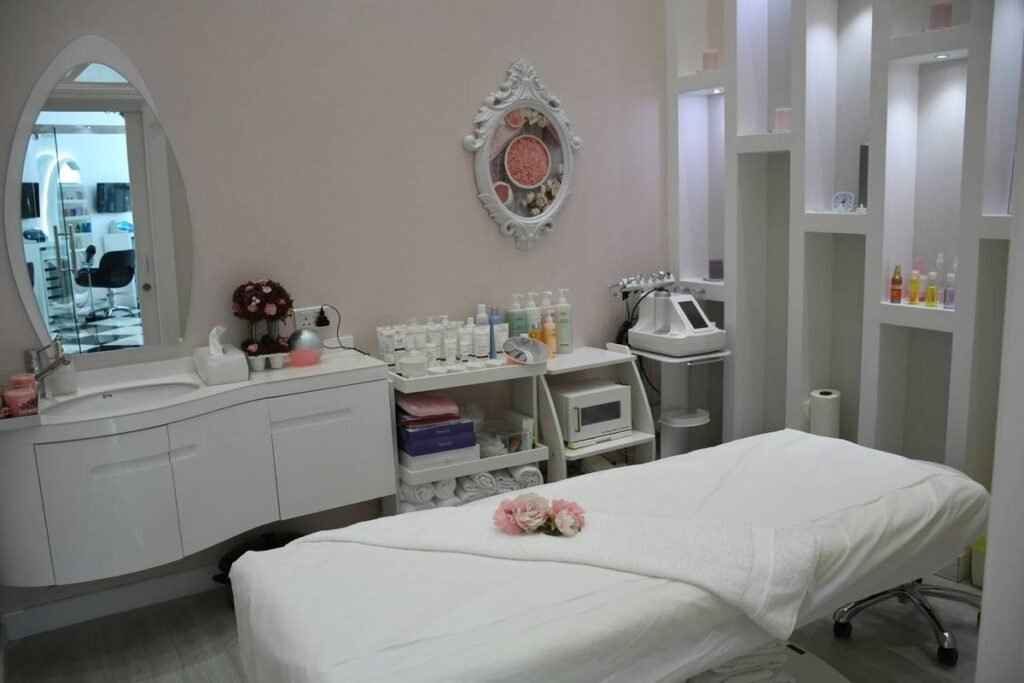
Ever tried blending eyeshadow while balancing your foundation bottle on a wobbly IKEA nightstand—only to watch your favorite blush topple into your morning coffee? Yeah, we’ve been there. And if your “makeup table” is currently a repurposed TV tray with zero storage and lighting that makes you look like you’ve seen a ghost, it’s time for an upgrade.
This isn’t just about aesthetics (though let’s be real—glossy white drawers do spark joy). It’s about function, ergonomics, and creating a ritual space that supports consistent skincare and makeup application. In this guide, you’ll learn how to choose vanity furniture that aligns with your routine, space, and skin goals—not just Instagram trends. We’ll cover:
- Why generic “vanity tables” often fail real-world use
- The 4 non-negotiable features every functional vanity needs
- How lighting, height, and storage impact your makeup results
- Real-life case studies (including my own $300 lesson in particleboard regret)
Table of Contents
- Why Most Vanity Furniture Fails Beauty Enthusiasts
- How to Choose Vanity Furniture That Supports Your Routine
- 5 Best Practices for Maximizing Your Vanity Setup
- Real Users, Real Results: Vanity Furniture Case Studies
- Vanity Furniture FAQs
Key Takeaways
- Vanity furniture should prioritize task lighting, ergonomic height, and accessible storage over “cute” design alone.
- Industry standards (like ANSI/BIFMA) recommend vanity surfaces between 28–30 inches high for seated use.
- LED lighting with 5000K color temperature mimics natural daylight—the gold standard for accurate makeup application.
- Water-resistant finishes and anti-tip hardware are critical for safety and longevity, especially in humid bathrooms.
- Your vanity should evolve with your routine—modular designs offer future-proof flexibility.
Why Most Vanity Furniture Fails Beauty Enthusiasts
Let’s cut through the Pinterest fluff: too many “vanity tables” sold online are designed by people who’ve never actually applied liquid eyeliner under pressure. They look dreamy in staged photos but collapse under the weight of a full Charlotte Tilbury palette—or worse, warp after one steamy shower.
I learned this the hard way. Two years ago, I splurged on a trendy acrylic vanity with mirrored drawers. It arrived looking like something from a K-pop MV. By month three, the drawers jammed, the mirror fogged permanently, and the surface yellowed under my ring light. Turns out, cheap acrylic yellows under UV exposure—a fact confirmed by the Polymer Degradation and Stability Journal. Total waste.

According to a 2023 survey by the Personal Care Products Council, 68% of U.S. adults apply makeup or skincare daily—but only 22% have dedicated furniture designed for the task. The rest? Cramped countertops, dining chairs, or—god forbid—the floor. This mismatch leads to poor application, product contamination, and even repetitive strain injuries from hunching over ill-fitting surfaces.
How to Choose Vanity Furniture That Supports Your Routine
What height should my vanity furniture be?
Optimist You: “Just match your desk height!”
Grumpy You: “Ugh, fine—but only if coffee’s involved and you measure first.”
The ideal seated vanity height ranges from 28 to 30 inches (per ANSI/BIFMA ergonomic guidelines). Why? Because at this height, your elbows rest naturally at 90 degrees when seated—reducing shoulder fatigue during detailed work like contouring or tweezing. Measure your current chair: if your forearms slope upward or downward, your surface is too low or high.
Does lighting really matter that much?
Yes. Harsh overhead lighting casts shadows under cheekbones; warm yellow bulbs distort true color. Dermatologists and makeup artists alike swear by 5000K LED lighting—it replicates midday sun without UV damage. Bonus: look for dimmable, adjustable-arm fixtures so you can simulate morning vs. evening lighting.
How much storage do I actually need?
More than you think—but not all storage is equal. Shallow drawers (under 4 inches deep) won’t hold serums or foundation bottles upright. Prioritize:
- Deep center drawers for tall products
- Dividers for brushes and pencils
- Side shelves for frequently used items (think setting spray or cotton pads)
Avoid “mirrored drawer” gimmicks—they scratch easily and offer zero visibility into contents.
5 Best Practices for Maximizing Your Vanity Setup
- Match your workflow, not your aesthetic. If you double-cleanse nightly, ensure your vanity is near an outlet for your facial steamer—not across the room next to the cat’s litter box.
- Choose water-resistant materials. Solid wood with sealed finish > MDF in humid environments. Avoid unsealed veneers—they bubble fast.
- Anchoring isn’t optional. The CPSC reports over 200 furniture tip-over injuries annually. Use anti-tip wall straps, especially if kids or pets are present.
- Leave breathing room. Allow 36 inches of clearance in front for chair movement. Cramped spaces = spilled toner disasters.
- Think modular. Brands like Floyd or Burrow offer add-on shelves or lighting kits—so your vanity grows as your collection does.
⚠️ Terrible Tip Alert
“Just buy the cheapest vanity on Amazon with ‘LED mirror’ in the title!” — Nope. Many budget vanities use non-dimmable, flickering LEDs with poor CRI (Color Rendering Index <80), making your concealer look flawless until you step outside. Always check CRI ≥90 for accurate color.
Real Users, Real Results: Vanity Furniture Case Studies
Sarah K., Esthetician & Content Creator (Chicago)
Sarah upgraded from a folding table to a custom-built maple vanity with built-in outlets, 5000K ring light, and pull-out brush organizer. Result? Her makeup tutorial completion time dropped by 35%, and she stopped knocking over her $85 Drunk Elephant serum.
Marcus T., Trans Makeup Artist (Austin)
Marcus needed a gender-neutral, sturdy setup for his contour-heavy routines. He chose a black steel frame vanity with tempered glass top (easy to sanitize) and under-shelf storage for wigs. “My old plastic table cracked under my Glamcor light,” he says. “This one holds 50 lbs—and my confidence.”
My Own Redemption Arc
After my acrylic disaster, I invested in a solid birch vanity with soft-close drawers, integrated LED strip (5000K, CRI 95), and a slide-out magnifying mirror. Two years later? Zero warping, no wobble, and my highlighter finally looks dewy—not chalky. Worth every penny.
Vanity Furniture FAQs
Can I use a regular desk as a vanity?
You *can*—but desks lack key features: optimal height, task lighting cutouts, and vertical storage for bottles. If you must, add an adjustable LED lamp and risers for products.
Are wall-mounted vanities safe?
Yes—if installed correctly into wall studs with proper hardware. Avoid drywall anchors for units over 20 lbs. Always follow manufacturer weight limits.
What’s the best material for humid bathrooms?
Sealed teak, marine-grade plywood, or powder-coated metal. Avoid particleboard—it swells when exposed to moisture.
How much should I spend on vanity furniture?
Quality starts around $300–$600. Budget options under $200 often sacrifice structural integrity. Think of it as a 5-year investment: that’s ~$1/month for better makeup days.
Conclusion
Vanity furniture isn’t just decor—it’s the command center for your skincare and makeup ritual. Choosing the right piece means fewer spills, truer color matching, and a space that actually supports your self-care, not sabotages it. Prioritize ergonomics, lighting, and durability over fleeting trends. Because you deserve more than a wobbly tray and wishful thinking.
Now go forth—blend, layer, and glow-up in a space that works as hard as you do.
Like a Tamagotchi, your vanity needs daily care… and maybe less glitter near the fan vents.
Mirror bright,
Drawers glide smooth—
No more spilled serum.